3D Wall Art: Adding Depth and Sophistication to Modern Interiors
3D wall art adds dimension and texture to any space, creating a striking visual impact that flat artwork cannot achieve. It uses materials like metal, wood, and glass to project shapes and shadows, making walls feel more dynamic and interesting. This type of decor is ideal for those who want to enhance their home or office with unique and engaging designs.

Many 3D wall art pieces come illuminated or designed to produce changing shadows, which adds depth and life to a room throughout the day. Whether it’s metal sculptures, hand-crafted ceramics, or modern geometric shapes, these artworks serve as both decoration and conversation starters.
Choosing 3D wall art can transform plain walls into eye-catching displays that reflect personal style and boost the ambiance of any room. For a variety of options including modern or industrial styles, one can explore collections of 3D wall art to find the perfect match for their space. For more examples, visit Amazon’s 3D wall art collection.
What Is 3D Wall Art?
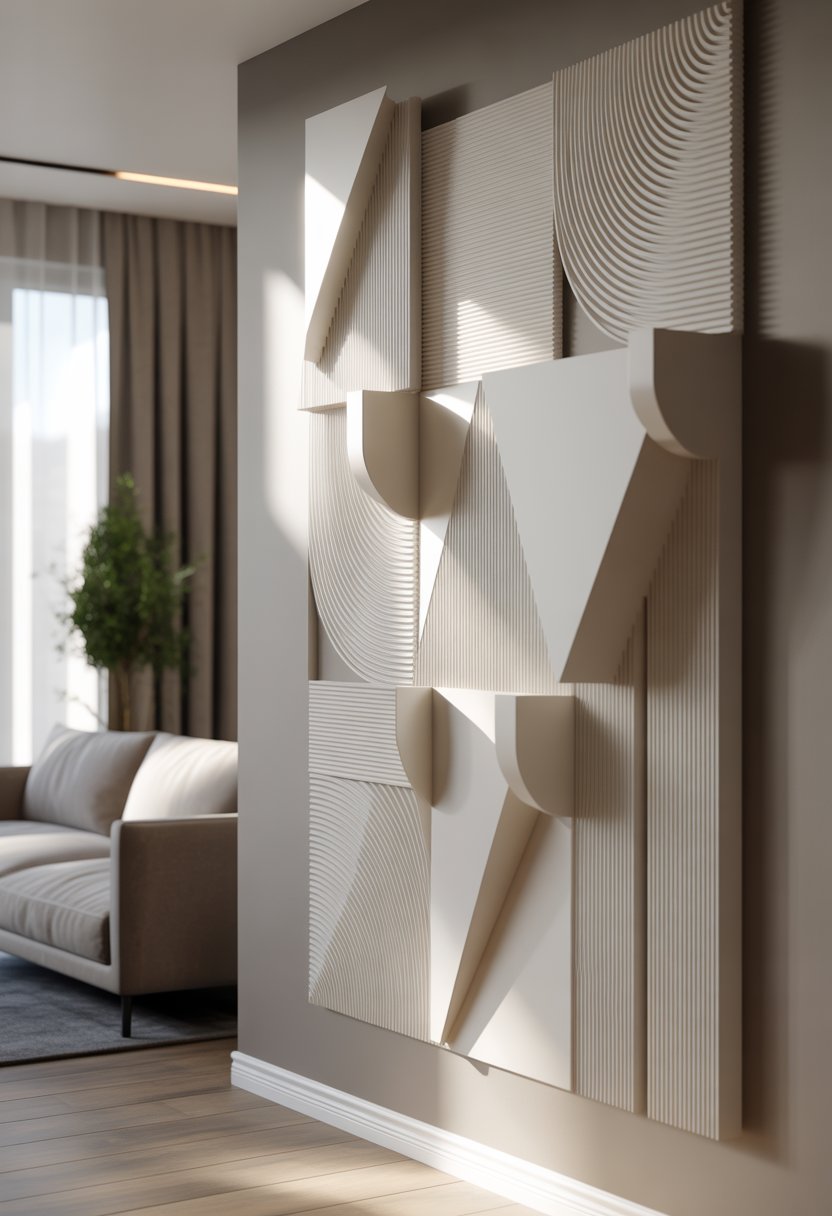
3D wall art brings depth and texture to walls by using various materials and techniques. It stands out by adding a physical dimension, making the artwork more interactive and visually engaging. This section explains what 3D wall art is, the common types, and how it differs from traditional wall decorations.
Defining 3D Wall Art
3D wall art is any art piece that extends into the third dimension, creating a sense of depth. Unlike flat paintings or prints, it occupies physical space. This artwork often blends sculpture and design, resulting in textured surfaces that interact with light and shadow.
Artists may use materials like metal, wood, plastic, or resin to create 3D wall art. The pieces can vary from subtle reliefs to bold, sculptural objects mounted on walls. This type of art can suit modern and traditional interiors depending on its design and materials.
Types of 3D Wall Art
There are several types of 3D wall art, including:
- Bas-relief sculptures: Raised carvings that gently pop from a flat background.
- Freestanding sculptures: Pieces that project far from the wall, often made from metal or resin.
- Mixed media works: Art combining different materials like wood, metal, or fabric for textured effects.
- 3D printed models: Custom designs created with 3D printing technology for precise, detailed forms.
Each type offers unique texture and visual impact. Many artists use 3D design software to model their work before building physical pieces. This process allows for intricate details and helps ensure proper dimensions.
Comparing 3D Wall Art with Traditional Wall Decorations
Traditional wall decorations like paintings and prints are flat and only visible from the front. They rely on color, pattern, and perspective to create visual interest. In contrast, 3D wall art adds actual physical depth, changing how light and shadow play on its surface.
3D pieces invite viewers to interact by changing their viewpoint. This dynamic effect creates a more immersive experience. Additionally, 3D wall art often uses materials that reflect or absorb light differently, increasing its visual appeal compared to flat art.
| Feature | Traditional Wall Art | 3D Wall Art |
|---|---|---|
| Dimension | Two-dimensional | Three-dimensional |
| Interaction | Viewing from front | Multiple angles |
| Visual effect | Color and pattern | Texture, depth, shadow |
| Materials | Paint, paper, canvas | Metal, wood, resin |
This table highlights the core differences that make 3D wall art a distinct form of decoration.
Key Materials and Techniques
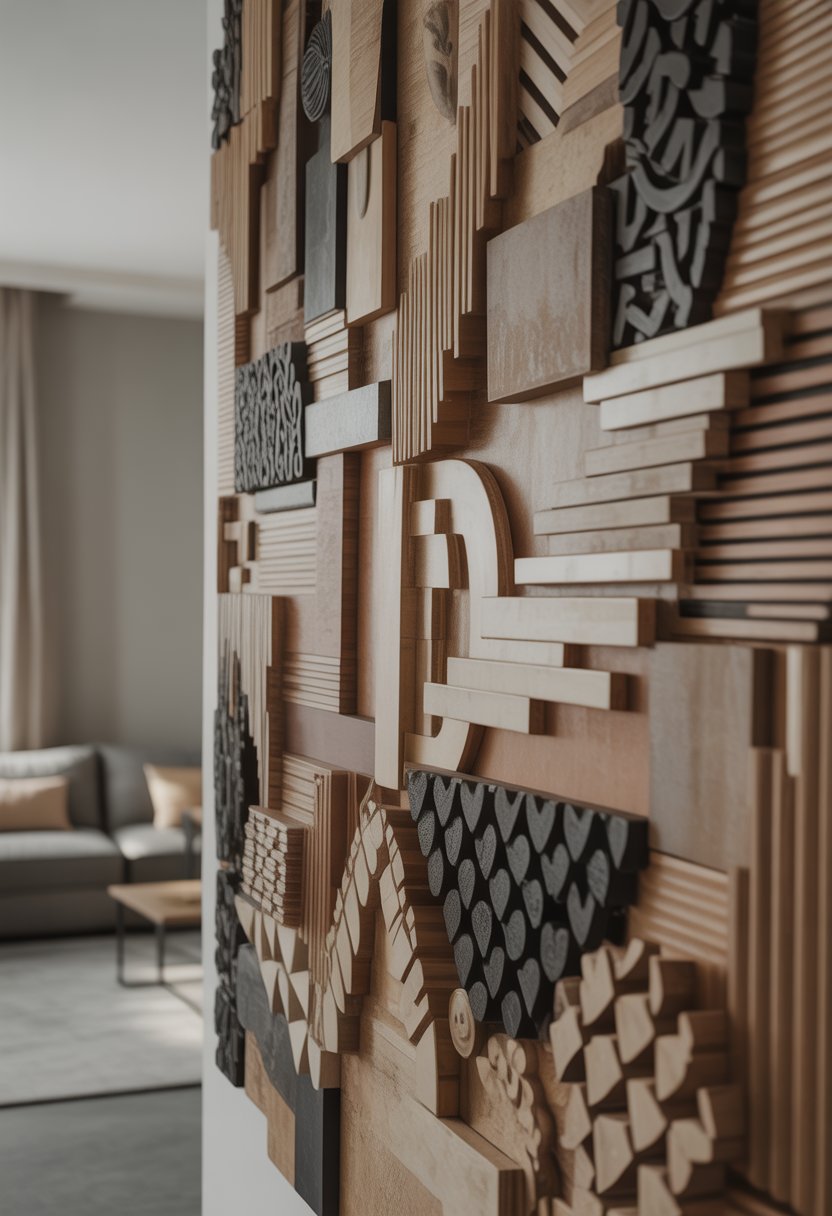
Creating 3D wall art involves selecting the right materials and using specific methods for building and finishing. Artists often combine different elements to make the art visually striking and durable. The tools and steps they use shape the final look.
Popular Materials Used
Common materials for 3D wall art include wood, foam, and metal. Wood panels are popular because they are sturdy, easy to shape, and can be painted or stained. Foam is lightweight and good for creating detailed shapes or relief effects. Metal can add texture and shine but usually requires special tools to shape.
Other materials like plaster and acrylic are also used. Plaster is great for molded designs and gives a solid feel. Acrylic sheets allow transparency and layered looks. Wall panels, often made of MDF or PVC, serve as the base or background for many 3D pieces because they are flat and easy to fix on walls.
Common Production Methods
The process usually starts with planning and sketching the design to scale. Artists then cut or mold the chosen materials to create raised shapes or patterns. Tools like saws, hot wire cutters, or sculpting knives aid in this step.
Assembly often requires gluing or screwing pieces together, with a focus on alignment and stability. Once assembled, surfaces are sanded and prepped for painting or finishing. Techniques like layering materials or adding texture paint enhance depth and realism. Checking for levelness during building ensures the art sits flush on the wall.
Customization Options
3D wall art can be personalized in many ways. Color choices vary from solid paints to gradients and metallic finishes. Artists may add lighting behind or within the piece to cast shadows and bring the art to life.
Textures are customizable by mixing materials or using textured paints. Dimensions can also be adjusted to fit specific wall sizes or design themes. Some artists integrate removable panels or modular parts for easy updates or rearrangement. Custom framing or mounting hardware adds both function and style. For those seeking unique designs, working with different wall panels allows tailored shapes and patterns.
Inspiring Design Ideas for 3D Wall Art

3D wall art adds depth and texture to any space, transforming flat surfaces into visual highlights. Different styles can fit various tastes, whether focusing on simplicity, natural elements, or bold shapes. Creating striking walls depends on choosing the right design approach that relates to the room’s function and aesthetics.
Modern and Minimalist Styles
Modern and minimalist 3D wall art focuses on clean lines and simple forms. It often uses neutral colors like white, black, or gray to keep the look sleek. Designs may include smooth geometric shapes or subtle abstract patterns that do not overwhelm the space.
Materials such as metal, acrylic, or smooth wood panels are common for these styles. They create shadows and highlights that change with the lighting, giving the wall subtle movement. This style works well in living rooms, offices, or bedrooms where calm and order are desired.
Minimalist 3D designs avoid clutter and favor repetition and symmetry. They highlight the interplay between light and shadow to build interest without loud colors or busy visuals.
Nature-Inspired Designs
Nature-inspired 3D wall art brings elements from the outdoors inside. These designs include textures mimicking wood bark, leaves, flowers, or waves. They add organic shapes that contrast with straight architectural lines.
Popular materials include natural wood, stone, or eco-friendly resins. This style often uses earth tones like browns, greens, and soft blues. Artists might create layered leaf patterns or sculpted tree branches to give a lifelike effect.
Nature-based 3D designs add warmth and calm to a room. They suit spaces meant for relaxation, such as bedrooms, lounges, or creative studios. Combining these designs with plants enhances the natural vibe.
Geometric Patterns
Geometric 3D wall art focuses on repeating shapes like triangles, hexagons, or cubes. These patterns create a sense of order but also add visual excitement through varying depths and angles.
Materials range from wood and metal to painted drywall. The key is how the shapes are arranged—some designs use tessellation, while others play with varying sizes for a dynamic effect. Lighting can emphasize the three-dimensional aspects by casting detailed shadows.
These patterns suit modern interiors but also add sophistication to industrial or minimalist rooms. They often form eye-catching accent walls in dining areas, hallways, or offices.
Statement Feature Walls
Statement feature walls use bold 3D art to become the room’s focal point. They often combine large-scale designs with striking colors or textures. This approach turns one wall into a powerful visual anchor.
Options include sculptural elements that protrude significantly from the surface, layered panels with contrasting finishes, or intricate mosaics of different materials. The goal is to capture attention immediately and spark conversation.
Such walls work well in entryways, living rooms, or commercial spaces where impact is key. Statement 3D walls can highlight cultural themes, abstract art, or even personalized designs for a unique, memorable environment.
For detailed inspiration on creating these effects, see 3D wall art ideas and projects at Wall Art Inspiration.
Applications in Homes and Offices

3D wall art adds depth and texture that flat decor cannot match. It creates standout looks by using materials and shapes that catch light and shadow. These works bring character to everyday spaces while complementing existing design styles.
Living Room Enhancements
In the living room, 3D wall art creates a strong visual focus. Panels with geometric or carved designs can frame a seating area or TV wall. Materials like wood, metal, or plaster add natural or industrial accents that suit many decor themes.
Textured panels introduce contrast with smooth walls and soft furnishings. They can also help reduce echo, improving sound quality. Often, homeowners choose subtle bas-relief designs to add interest without overwhelming the room.
A popular approach is to combine 3D panels with lighting, such as spotlights or LED strips, which highlight the shapes and deepen the room’s ambiance. Practical installation and maintenance make these pieces a lasting upgrade for shared family spaces.
Bedroom Ambiance
3D art in bedrooms creates a soothing yet stylish atmosphere. Soft, rounded shapes or wave patterns add a calming flow to walls behind the bed or dresser. Materials with matte finishes reduce glare and support restful moods.
Panels made from fabric or wood bring warmth and texture without a heavy look. They also improve acoustics, which helps reduce outside noise. This makes the bedroom more peaceful.
Many decorate with simple, monochrome 3D designs to maintain a clean, restful space. Using these panels strategically can help personalize a bedroom without cluttering it.
Office Space Transformation
In offices, 3D wall panels balance style with function. They provide a professional, modern look that impresses visitors and clients. Popular designs include geometric patterns and textured surfaces that align with corporate branding.
Besides aesthetics, 3D walls improve acoustics by softening echoes, which enhances focus during calls and meetings. Materials like wood, metal, or concrete offer durability and a sleek finish.
In home offices, 3D panels create a dynamic background that looks good on video calls. Their low-profile textures add depth without distraction. Properly chosen 3D decor can elevate the workspace’s mood and productivity.
For detailed ideas, explore creative 3D wall design for offices.
Installation Guide for 3D Wall Art

Installing 3D wall art requires the right tools and careful placement to ensure a secure fit and lasting finish. Planning the layout and preparing the surface is necessary for the panels to adhere properly. After installation, regular care keeps the wall art looking clean without damaging the texture or paint.
Preparation and Planning
Before starting, choose a clean, dry wall free of dust and grease. Measure the wall area to determine how many panels or pieces are needed. Mark the center point of the wall to help align the art evenly.
Gather tools such as a level, adhesive (recommended by the panel manufacturer), a utility knife, and painter’s tape. It’s important to read the product instructions for any specific surface preparation, like priming or sanding.
Consider working with an assistant when handling large or heavy panels. Planning the layout before applying adhesive avoids mistakes and wasted materials.
Step-by-Step Installation Process
Begin by marking a straight guide line on the wall if the product does not include one. Apply the recommended adhesive in a consistent pattern on the back of each panel. Peel-and-stick options simplify this stage but still require careful alignment.
Press each panel firmly against the wall, starting from the center and working outward. Use a level to check for straightness after placing each piece. If seams are visible, fill them using a flexible caulk or filler, then smooth with a damp cloth.
Allow the panels to set undisturbed for the time specified by the adhesive guidelines. If painting is desired, wait at least 24 hours before applying paint, ensuring the filler and adhesive are fully dry.
Maintenance and Cleaning Tips
To clean 3D wall art, use a soft cloth or duster to remove dust regularly. For deeper cleaning, a damp cloth with mild soap works well, but avoid soaking the material or using harsh chemicals.
If the panels are painted, be cautious not to scrub too hard or use abrasive materials that might damage the finish. Check seams periodically and touch up with caulk or paint if cracks appear.
Avoid placing the art where it will get excessive moisture or direct sunlight to prevent warping or fading, extending the lifespan of the installation. For detailed care, refer to manufacturer instructions specific to the panel material.
For a practical installation approach, see the Installation Guide – ART3d.
Where to Buy and How to Choose the Right 3D Wall Art
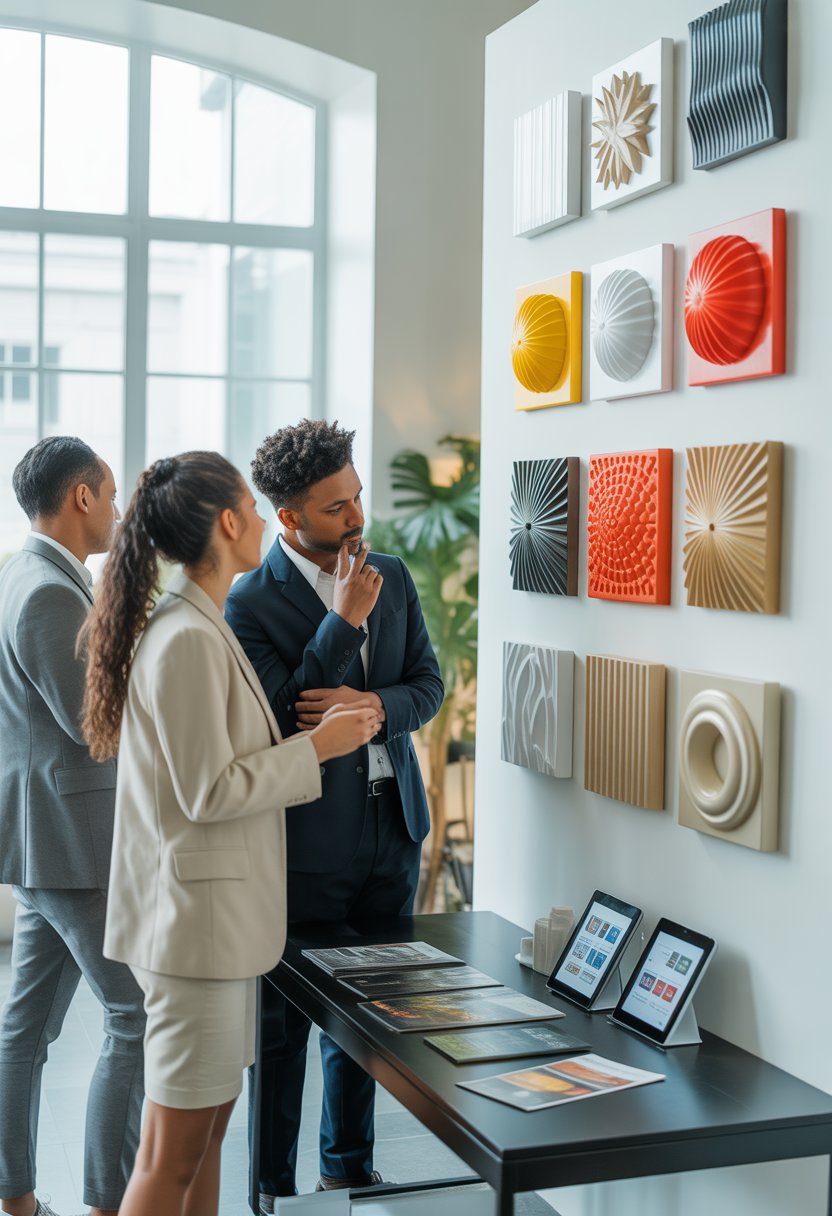
Finding the right 3D wall art means balancing convenience, quality, and price. Buyers should consider where they shop and how to check the craftsmanship and materials in detail. Both factors affect the value and look of the piece in a home.
Shopping Online vs In-Store
Buying 3D wall art online offers a wide range of styles and price points. Buyers can compare many designs quickly and read reviews from other customers. However, they cannot touch or see the texture up close, which might affect how accurate the product looks in photos.
In-store shopping allows people to examine the artwork’s material, color, and size directly. It’s easier to judge how the piece fits the room’s lighting and wall space. Some stores let customers speak with experts, which helps in making a better choice.
Evaluating Quality and Price
To assess quality, buyers should focus on the materials used, like acrylic, metal, or resin. Good 3D wall art has clean edges, smooth finishes, and sturdy installations. Price usually reflects craftsmanship and size but comparing similar items helps avoid overpaying.
Checking for details such as layering, depth, and consistency is key. Higher-quality pieces often have sharper shadows and realistic textures that add dimension. Buyers should balance price with durability, especially for large or heavy art meant to last long. For more about styles and options, visit 3D acrylic carving wall art collections.