What Are the Top Wall Art Trends for 2025? A Clear Guide to Modern Styles and Techniques
Wall art in 2025 is all about bold, personal, and innovative designs that make a statement in any space. Top trends include vibrant abstract murals, customizable pieces, and a mix of traditional and modern styles that bring depth and personality to walls. People are seeking art that connects emotionally and reflects their own stories or memories.
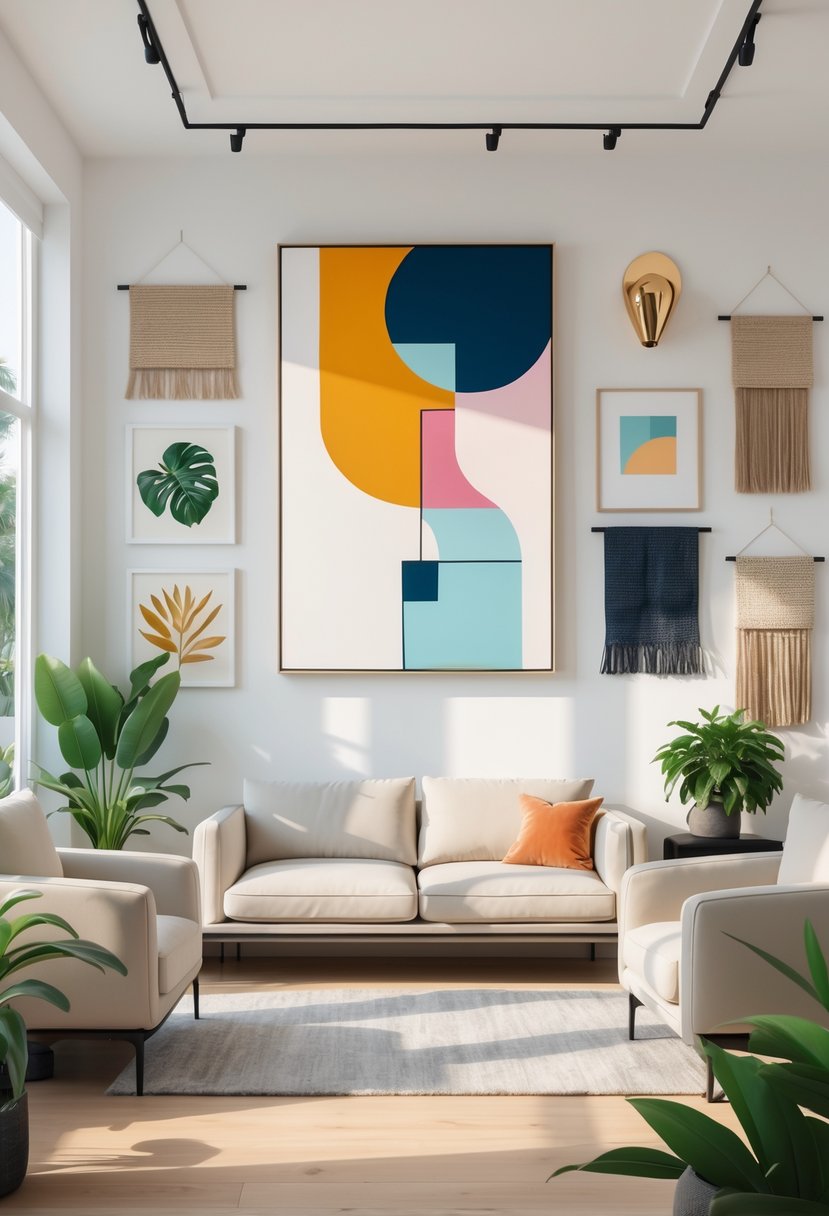
Technology and sustainability are playing big roles this year. Hand-painted details blend with digital prints, and interactive or 3D elements add new dimensions to wall decor. Popular styles range from nature-inspired prints to surrealism and typography, giving plenty of options that suit different tastes and moods.
Key Takeways
- Bold colors and personal stories are key in wall art for 2025.
- New techniques blend craftsmanship with digital innovation.
- Popular styles mix modern and classic themes for rich visual appeal.
Defining Wall Art Trends for 2025
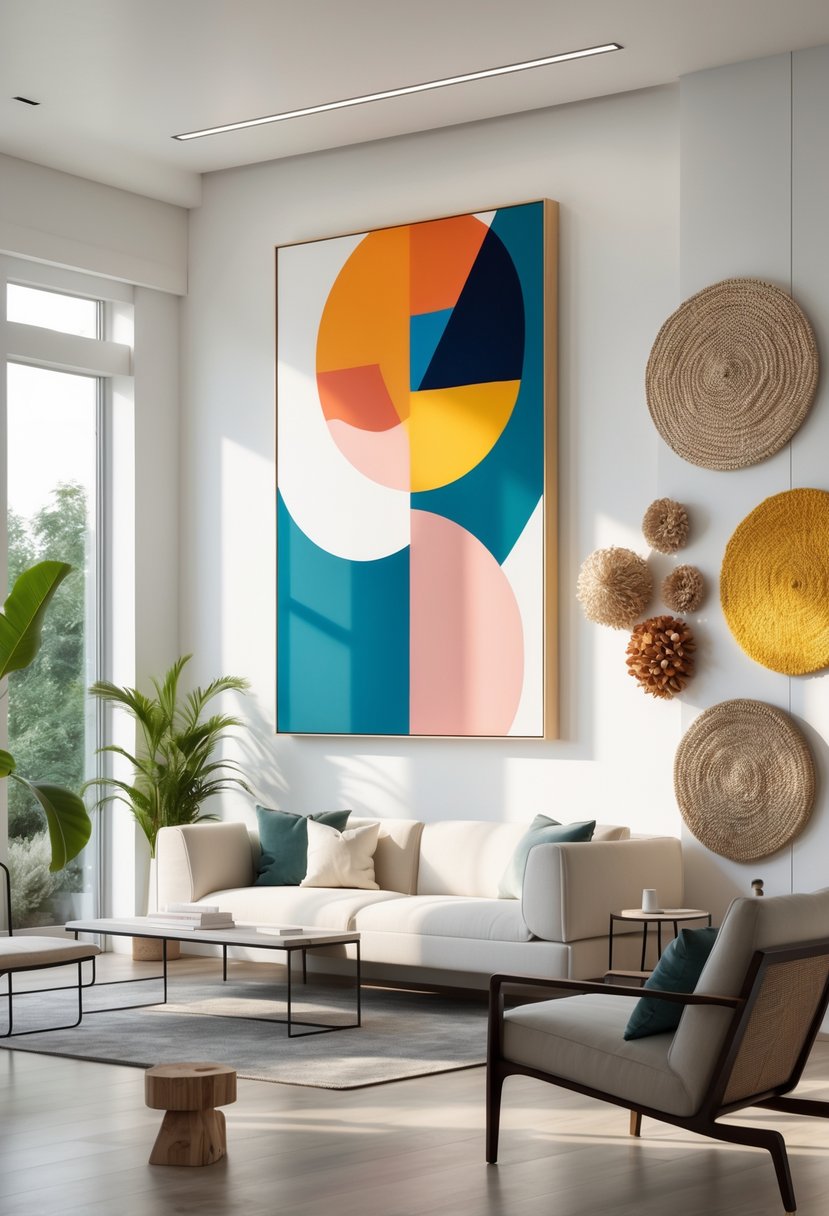
Wall art in 2025 reflects a blend of technology, personal meaning, and nature. These trends affect how people choose pieces and arrange their homes. The focus is on unique expression and new ways to bring walls to life.
Key Characteristics of 2025 Trends
In 2025, wall art trends include bold, vibrant colors and customizable designs. Interactive and digital art pieces are popular, allowing displays to change or respond to the environment. Abstract and nature-inspired themes stand out, often mixing traditional styles with modern technology.
Sustainability is important. Materials that are eco-friendly or recycled are gaining favor. Emotional connection is another key factor—people look for art that tells a personal story or captures memories. This makes wall art more meaningful than just decorative.
How Trends Influence Home Decor
Wall art trends shape home decor by introducing dynamic and personalized elements. Digital frames and interactive installations turn walls into flexible canvases. This affects room color schemes and furniture choices, as art becomes a central focus.
Designers now mix old and new. Traditional prints sit alongside 3D or animated pieces. This mix changes the feel of spaces, making them more engaging and expressive. Homeowners adjust layout and lighting to highlight these evolving art forms, blending creativity with everyday living.
Consumer Behavior and Aesthetic Preferences
Consumers in 2025 prefer wall art that feels unique and personal. They avoid generic mass-produced pieces and instead seek art with emotional value. Custom prints and artworks that tell a story are much favored.
Technology influences buying habits. People want art that can adapt or display different images, matching moods or occasions. Sustainability drives choices too, with many opting for environmentally friendly products. Overall, buyers aim for wall art that reflects their personality and values clearly.
Materials and Techniques Leading the Way
Wall art in 2025 uses a mix of eco-friendly materials, skilled craftsmanship, and digital technology to create pieces that are both attractive and thoughtful. These trends focus on sustainability, tradition, and innovation, giving buyers many options to choose from.
Natural and Eco-Friendly Materials
Art made from natural materials like wood, bamboo, cotton, and linen is popular. These materials are renewable and break down easily, making them better for the environment. Artists often use plant-based dyes and non-toxic paints to keep the work safe and eco-friendly.
Sustainable wall art often includes materials that come from responsibly managed forests or farms. This choice supports the health of the planet. Pieces made from these materials not only look natural and warm but also help reduce waste and pollution. Buyers interested in green living find these pieces appealing, as they combine style with environmental care.
Traditional Craftsmanship and Recycled Elements
Traditional craftsmanship brings handmade quality back into focus. Techniques like weaving, embroidery, and hand-painting show a skill passed down through generations. This approach adds unique detail and character to each piece that machines cannot replicate.
Recycled materials are also important. Artists turn scrap metals, glass, and paper into wall art, giving waste new life. Using recycled elements reduces landfill use and resource extraction. This trend highlights creativity while supporting sustainability. Art collectors who value skill and ethics often seek pieces made this way.
Digital and Mixed-Media Innovations
Digital art is changing how people think about wall decor. Screens and frames can display changing images or interactive pieces that respond to movement. This technology allows for customizable and dynamic art that can fit many moods or settings.
Mixed-media art blends traditional materials with digital techniques. For example, a canvas might include printed digital images combined with paint or textured objects. This mix adds layers and depth that make the artwork more engaging. These innovations let artists push boundaries and offer fresh experiences to viewers while embracing new technology.
Popular Styles and Themes in 2025

Wall art in 2025 reflects clear trends, focusing on strong contrasts between simplicity and complexity, a deep connection to nature, the use of vivid colors, and influences from diverse cultures and modern abstract art. These styles give homeowners multiple options to express personality and create meaningful spaces.
Minimalist and Maximalist Approaches
Minimalist art remains popular, emphasizing clean lines, simplicity, and functionality. It often features minimalist line art or simple geometric shapes in neutral palettes. This style appeals to those who want calm, uncluttered spaces with art that complements rather than overwhelms.
On the opposite side, maximalism also thrives. It brings bold patterns, layered textures, and rich colors. Maximalist wall art may include pop art influences or art deco motifs. It suits those who enjoy more expressive and detailed designs, creating lively, dynamic walls that become a focal point.
Nature-Inspired and Biophilic Design
Nature-inspired art is growing in demand as it encourages calm and connection to the outdoors. This includes prints of landscapes, plants, and wildlife. Biophilic design takes it further by using materials and imagery that mimic natural forms.
These styles boost wellbeing by bringing elements of nature indoors. Popular works include detailed nature-inspired prints and artwork featuring soothing green and earth tones. This trend ties into the larger movement toward sustainable and mindful living in home design.
Bold Colors and Vibrant Art
Using bold and vibrant colors is a strong feature of 2025 wall art. Deep reds, brilliant blues, and bright yellows create eye-catching pieces. These colors often appear in abstract expressionism and modern graphic designs.
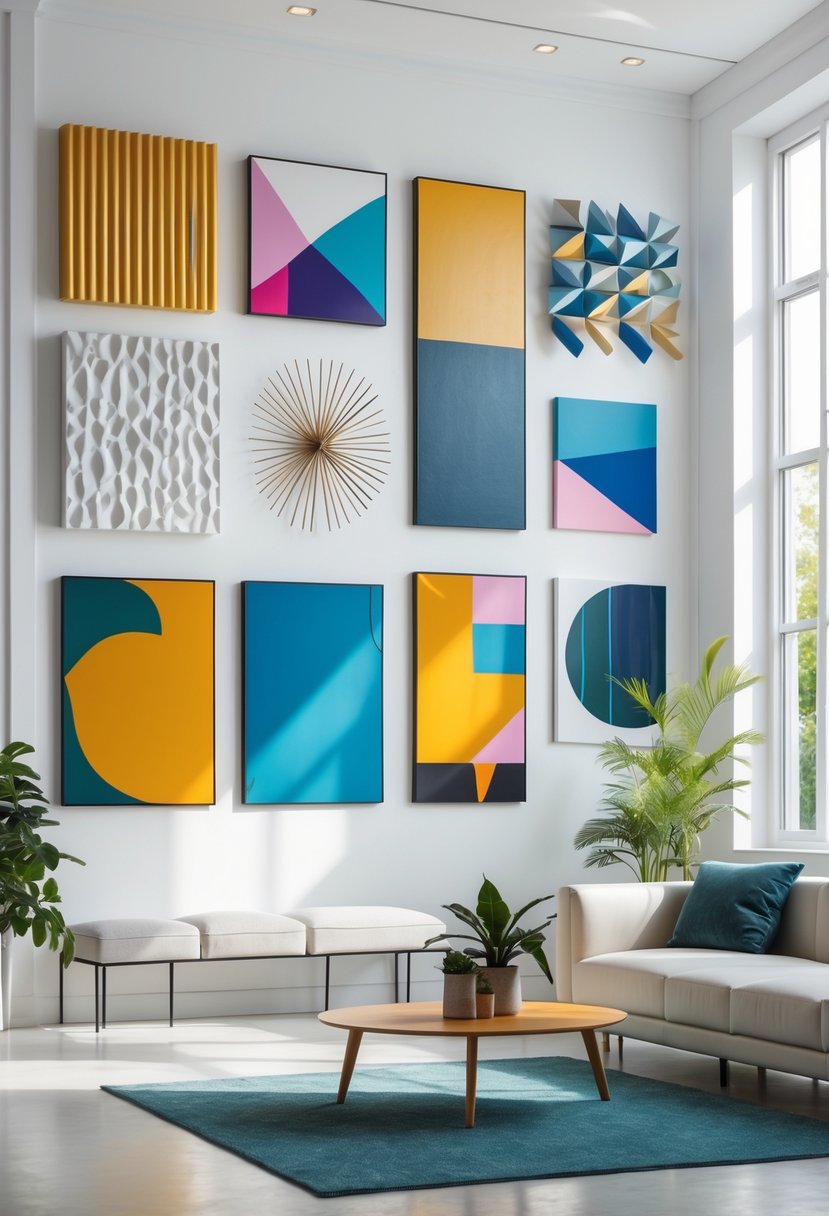
This trend suits people wanting to energize a room or make a statement. Vibrant art can stand alone as a focal piece or be part of a gallery wall with varied textures and colors. It provides a way to bring personality and life into spaces without complex setups.
Cultural Influences and Abstract Expressionism
Cultural influences shape much of today’s wall art. Artists draw inspiration from diverse traditions, patterns, and stories, making pieces more meaningful and unique. Art reflecting African, Asian, or Latin American motifs is often seen.
Abstract expressionism remains significant with spontaneous, bold brushwork and emotional depth. It offers a modern and versatile look, mixing well with other styles like maximalism or minimalist bold accents. This combination adds richness and variety without losing clarity in design.
Emerging and Innovative Concepts

New forms of wall art are changing how people experience and connect with their space. These ideas include technology-driven interaction, deeply personal designs, and digital ownership through blockchain.
Interactive Art and Immersive Experiences
Interactive art uses technology to engage viewers beyond just looking. Walls might feature sensors, lights, or motion elements that change with movement or touch. This makes the space feel alive and dynamic.
Immersive experiences create a sense of being inside the artwork. For example, projection mapping can transform a plain wall into a moving scene. These approaches encourage active participation, making art a part of daily life rather than just decoration.
Personalized Artwork and Emotional Connection
People now want art that tells a story or reflects personal memories. Customized pieces like portraits, place-inspired designs, or artwork based on family photos build a stronger emotional bond.
This trend moves away from generic prints. Instead, it focuses on uniqueness and meaning—art that speaks to individual history or feelings. The emotional connection helps create a space that feels truly one-of-a-kind and comforting.
NFTs and Digital Collectibles
NFTs (Non-Fungible Tokens) have introduced a new way to own and display digital art. Buyers get a verified, unique digital certificate proving ownership of the art piece. This technology opens doors for artists and collectors to trade art easily online.
Digital collectibles enable physical spaces to show moving or changing art on screens. Displaying NFTs as wall art offers fresh visual options and blends technology with modern home design. This method reshapes how people value and interact with digital creativity.
Display Trends and Curated Collections
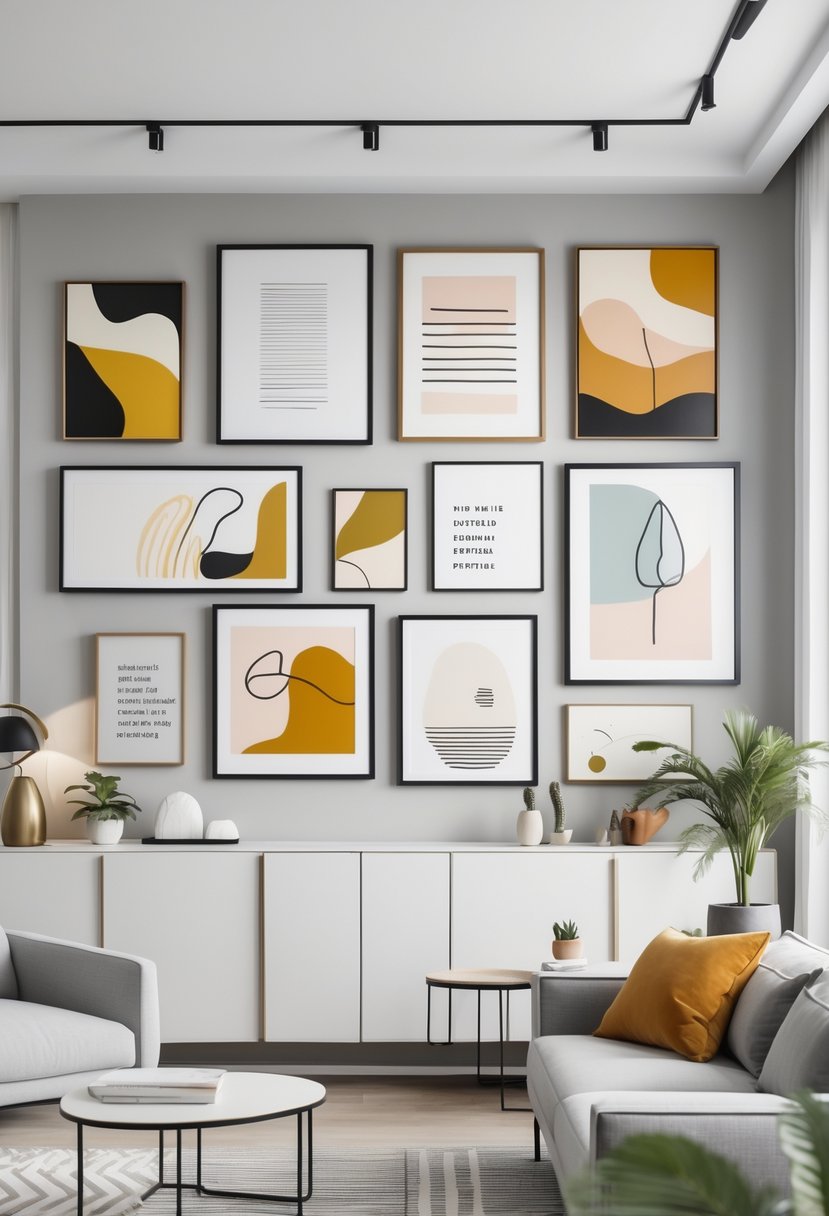
Wall art in 2025 focuses on clear, intentional arrangements that balance size and style. Large pieces work alongside smaller prints, with an emphasis on natural themes and thoughtful groupings. These choices help create striking visuals that fit modern home decor.
Gallery Walls and Oversized Canvas Prints
Gallery walls remain popular but have evolved. Instead of cluttered arrangements, they now feature carefully selected pieces that share a clear theme or color scheme.
Oversized canvas prints act as strong focal points. They can anchor a room and serve as a backdrop for smaller artworks. Using bold abstract designs or large-scale images brings scale and depth to spaces.
Together, these elements create balanced displays. The contrast between big canvases and smaller framed pieces adds interest without overwhelming the room.
Botanical Prints and Illustrations
Botanical prints and illustrations are trending for their timeless appeal and natural beauty. These artworks use clean lines and soft colors to bring elements of nature indoors.
They work well in various home styles, fitting both modern and traditional decor. Plants, leaves, and floral patterns offer calming visuals that connect with biophilic design.
Collectors often choose original illustrations for their detailed craftsmanship. Framed botanical art can act as a subtle statement while enriching a space with organic shapes.
Curated and Cohesive Displays
Curated collections focus on intentional choices that feel connected. Whether on a single wall or spread throughout a room, artworks are selected to complement each other.
This approach avoids randomness. It balances different sizes, textures, and themes to create harmony.
Homeowners often mix digital and traditional art to add variety. Cohesive displays invite viewers to explore the story behind the collection, making walls more engaging.