
Leyendecker Illustrations: Defining the Golden Age of American Art and Visual Storytelling
J.C. Leyendecker was one of the most important illustrators during the Golden Age of American art. He created hundreds of striking images that shaped how people saw magazine covers and advertisements in the early 20th century. His work set new standards for style and storytelling in American commercial art.
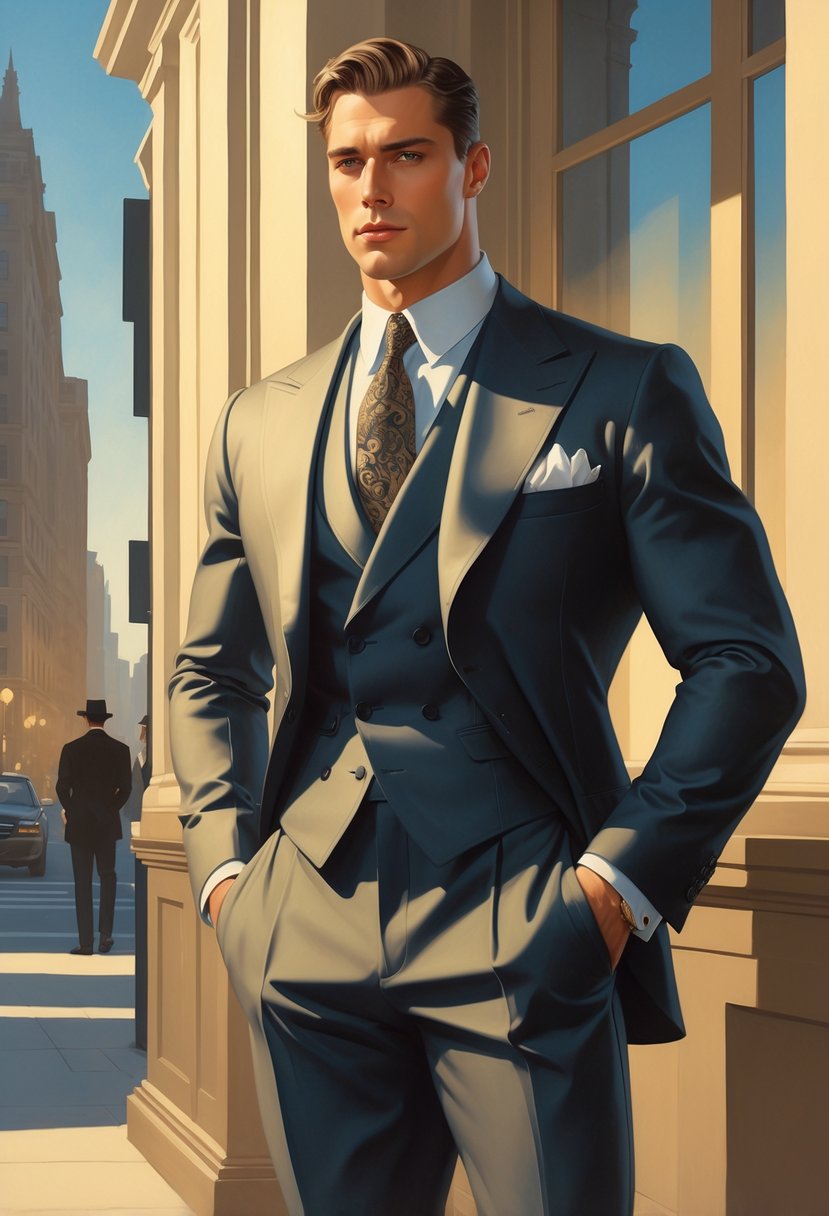
Leyendecker’s illustrations were featured in leading magazines, making everyday moments feel special and heroic. His unique style influenced other artists and helped define the look of American visual culture for decades. His legacy lives on in museums and collections that celebrate his role in this creative era.
Many recognize Leyendecker for his timeless and elegant figures, especially those he painted for The Saturday Evening Post. His impact stretches from artistic innovation to the way American advertising developed during the first half of the 1900s. Discover how his art continues to inspire today.
Key Takeaways
- Leyendecker played a major role in shaping American magazine and advertisement art.
- His distinctive images influenced visual culture for many years.
- His work remains celebrated in exhibitions and public collections.
The Life and Legacy of J.C. Leyendecker
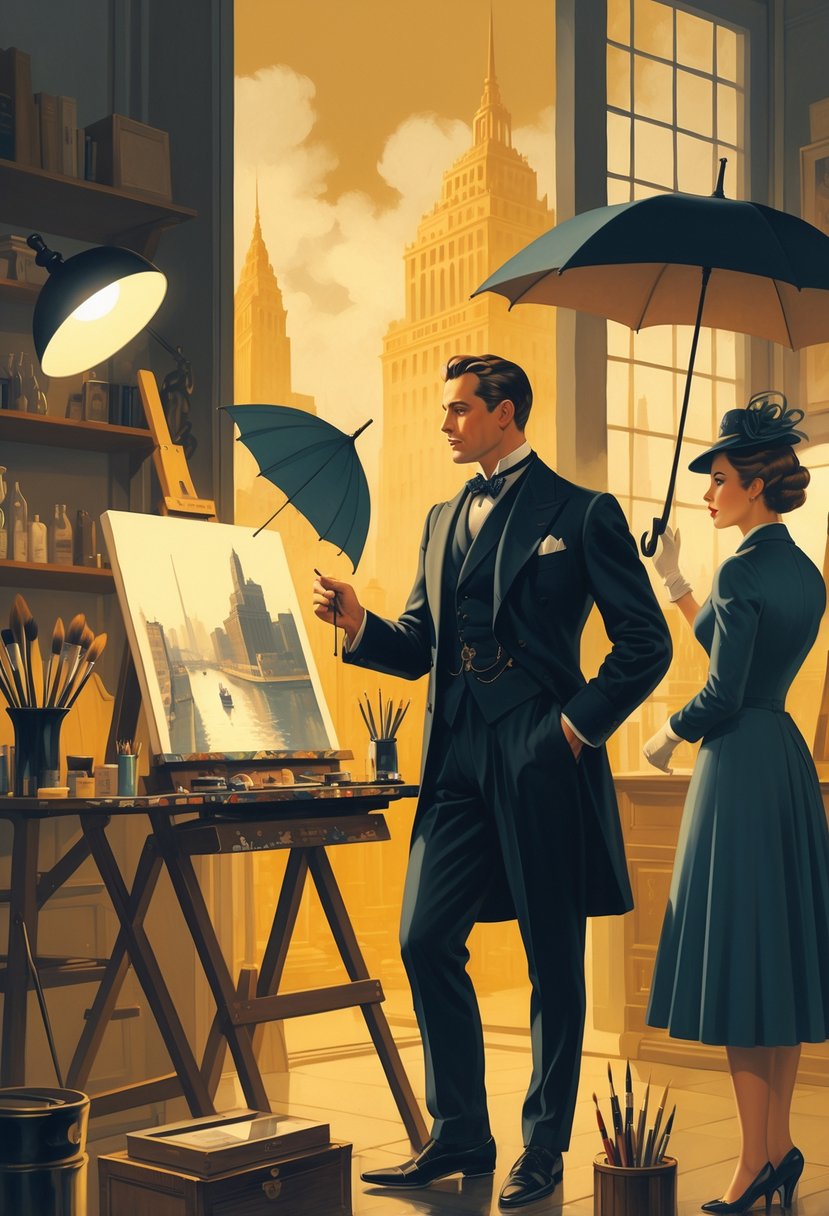
J.C. Leyendecker was a key figure in shaping American visual culture during the early 20th century. His career spanned decades, marked by notable artistic training, a distinct style, significant personal relationships, and a lasting influence on American art and illustration.
Early Life and Artistic Training
Joseph Christian Leyendecker was born in Germany in 1874. He moved to the United States with his family at age eight. His artistic talent showed early, leading him to study at the Art Institute of Chicago. There, he developed strong technical skills and absorbed artistic traditions.
Later, Leyendecker enhanced his training at the Académie Julian in Paris, a school known for its classical approach. This European influence blended with his American experience to form a unique style. His time in Chicago and New York City gave him exposure to major art scenes and helped build his career.
Major Influences and Stylistic Development
Leyendecker’s work was shaped by his solid academic background and exposure to emerging American culture. He created bold, clear images with smooth lines and careful detail. His style often featured idealized, elegant figures, such as the famous Arrow Collar Man.
He absorbed inspiration from other American illustrators and European masters but stood out by combining commercial appeal with fine art techniques. This approach helped him dominate magazine covers like The Saturday Evening Post and Collier’s for decades. His self-promotion and consistent branding made his work easily recognizable.
Personal Life and Relationships
Leyendecker shared a significant personal and professional partnership with Charles Beach, his longtime companion and business manager. Beach helped him navigate the commercial art world and promoted his work. Their relationship was a private but important part of Leyendecker’s life.
Leyendecker was also known for his reclusive nature despite his public success. His personal life influenced his art, often reflecting themes of idealism, strength, and style. Relationships in his close circle helped shape his creative environment and supported his artistic achievements.
Enduring Impact on American Art
Leyendecker’s influence on American art is clear in the continued recognition of his work. He set standards for magazine illustration during the Golden Age of American illustrators. His approach influenced later artists like Norman Rockwell, who admired Leyendecker’s craftsmanship.
His images helped define American style and commercial art in the early 20th century, impacting advertising and magazine visual culture. Museums and collections preserve his legacy, highlighting his role in transforming magazine covers into respected art forms. His lasting mark reflects a blend of artistic skill and cultural insight. For more details, see Joseph Leyendecker’s role in American illustration and style.
Pioneering the Golden Age of American Illustration
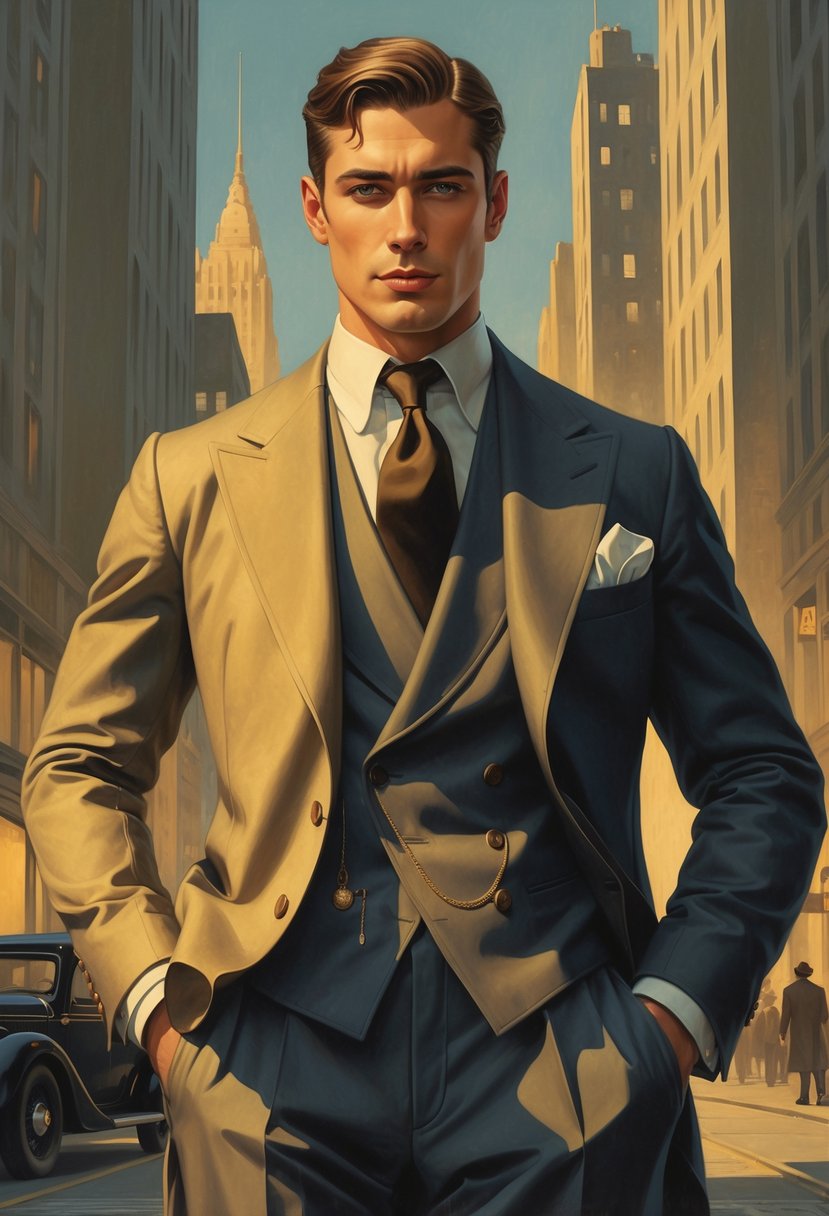
Joseph Christian Leyendecker played a key role in shaping the era known as the Golden Age of American Illustration. His work set new standards in style and storytelling. This period also featured artists who helped define American visual culture, blending fine art with popular media.
Key Contributions to the Illustration Movement
Leyendecker created over 400 magazine covers, including 322 for the Saturday Evening Post. His illustrations combined sharp detail with strong composition, influencing many artists who followed. He trained and inspired illustrators through his studio, including Norman Rockwell, who later became a leading figure in American illustration.
Artists like Howard Pyle and N.C. Wyeth helped form the movement’s foundation. Institutions such as the Drexel Institute taught these techniques, promoting craftsmanship and narrative clarity. Leyendecker’s style mixed realism with idealism, emphasizing heroic and aspirational imagery. His contribution solidified illustration as a respected art form tied closely to commercial success.
Defining Themes and Visual Storytelling
Leyendecker’s illustrations captured American life with a focus on everyday moments and heroic figures. Common themes included seasonal events, sports, and military subjects. His use of lighting, strong shapes, and symbolic gestures created powerful visual stories that were easy to understand at a glance.
Visual storytelling in this era combined detailed settings with clear character focus. Leyendecker and his peers used this method to engage audiences emotionally. This approach shaped the American public’s view of itself and its values. The illustration work reflected optimism, tradition, and progress, contributing to a shared national identity known as Americana.
The Rise of American Visual Culture
The Golden Age of American Illustration coincided with advances in printing technology, allowing colorful, detailed images to reach wide audiences through magazines like Harper’s and Collier’s. This created a new kind of visual culture where art became a public, democratic experience.
Artists such as Maxfield Parrish, Jessie Willcox Smith, and Newell Convers Wyeth joined Leyendecker in this transformation. Their work bridged fine art and mass media, influencing advertising and popular taste. This emerging visual culture helped define 20th-century American identity, making illustration a vital part of American culture and history. The success of these artists built a foundation on which modern American illustration still stands.
For more on Leyendecker’s influence and this artistic era, see the National Museum of American Illustration.
Iconic Works and Signature Imagery
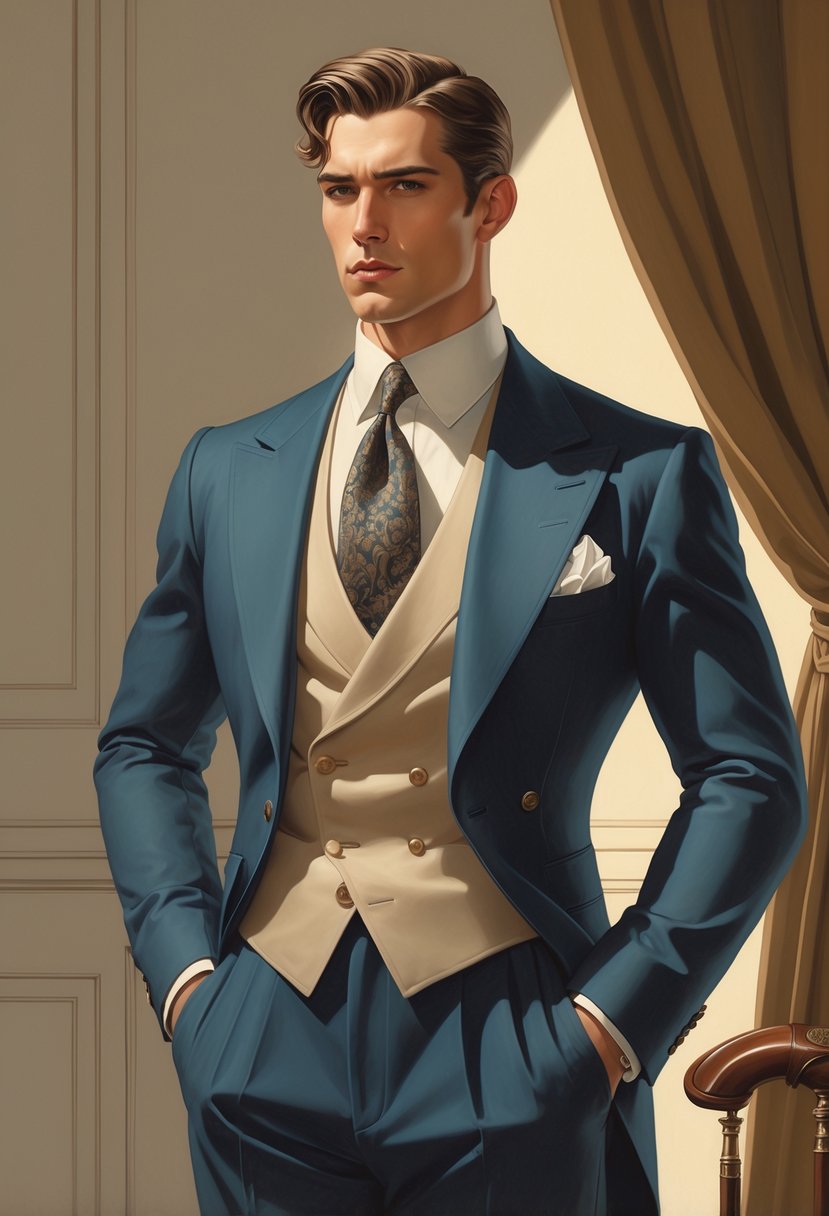
Joseph Christian Leyendecker created some of the most recognizable images in American advertising and magazine cover art. His work captured different aspects of American life, shaping how people saw style, masculinity, and seasonal celebrations in the early 20th century.
The Arrow Collar Man Phenomenon
Leyendecker’s most famous figure was the Arrow Collar Man. This character was used in advertisement illustrations for Arrow brand detachable collars and Kuppenheimer suits. The Arrow Collar Man symbolized the ideal modern man: handsome, confident, and impeccably dressed.
The powerful pose, slick hair, and sharp collar created a lasting image that defined male fashion for years. This figure helped sell more than just clothes; it set a standard for masculinity in advertising and popular culture. His clean-cut appearance influenced men’s fashion and grooming trends well beyond the ads.
Seasonal Icons: Santa Claus, New Year’s Baby, and Holiday Covers
Leyendecker also gained fame for his seasonal magazine covers. His illustrations of Santa Claus became a defining look in American culture. Far from the usual image, his Santa was friendly and robust, reinforcing the warmth of the holiday spirit.
In addition to Christmas, Leyendecker created memorable New Year’s Baby images. These covers highlighted themes of renewal and optimism. He frequently made holiday issues for prominent magazines, blending festive themes with polished, engaging artwork.
His Mother’s Day and 4th of July covers also captured key American celebrations, showing his ability to connect deeper cultural moments with relatable, joyful imagery.
Depictions of Masculinity and American Life
Leyendecker’s artwork often focused on ideals of masculinity and everyday American life. His male figures portrayed strength, confidence, and style but also moments of quiet dignity. Whether in advertising for Kuppenheimer suits or magazine portraits, his men embodied a certain elegance and modernity.
He showed men in leisure, work, and public celebrations, creating a broad narrative around American identity. His covers for magazines like The Saturday Evening Post helped shape how people thought about manhood, style, and behavior during the Golden Age of American Illustration.
Key themes in his work:
- Sharp fashion details, especially collars and suits
- Idealized but approachable masculinity
- Connection to cultural rituals and celebrations
- Blend of commercial appeal with narrative depth
These elements made Leyendecker’s illustrations timeless symbols in American art and advertising. For more details about his influence, see Leyendecker and the Golden Age of American Illustration.
Magazines, Advertising, and Commercial Impact
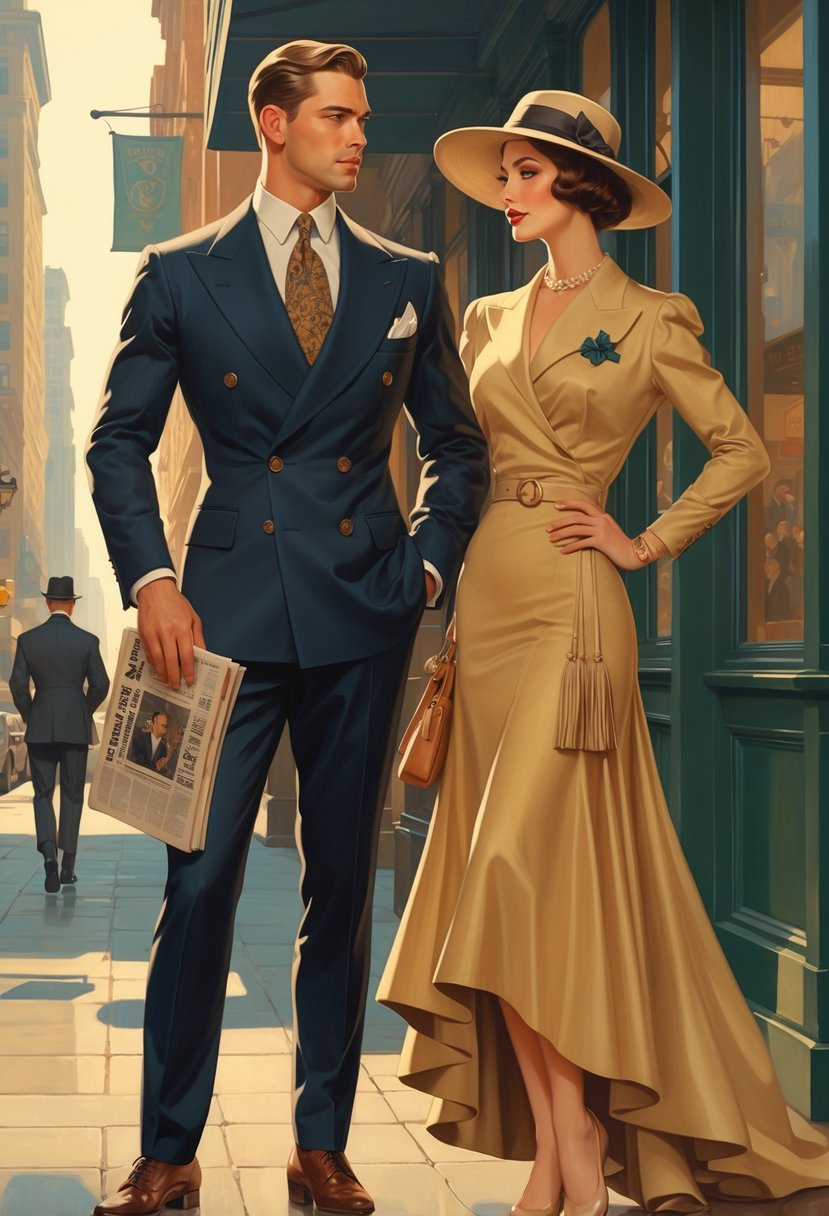
Leyendecker played a key role in shaping American visual culture. His work reached millions through major magazines and high-profile advertising campaigns. His illustrations combined artistic skill with commercial appeal, influencing both readers and buyers nationwide.
The Saturday Evening Post and Cultural Influence
Leyendecker created 322 covers for The Saturday Evening Post from 1899 to 1951. This made him one of the magazine’s most prolific artists. His covers reflected American life, from everyday scenes to holidays, often capturing a clean, idealized version of the nation.
The magazine was widely read, which gave Leyendecker’s work enormous visibility. His illustrations helped define an era by showing fashionable people, seasonal events, and patriotic themes. The Saturday Evening Post’s success was tied to its quality artwork, which included Leyendecker’s skillful use of color printing. This boosted subscriptions and set a high standard for illustrated literature at the time.
Advertising Innovations and National Scale Reach
Leyendecker’s talent extended beyond magazines into advertising, where he created images for brands like Kellogg’s and Ivory Soap. His work contributed to a new era of commercial art focused on clean compositions and striking visuals that could grab attention quickly.
He helped invent iconic advertising figures, such as the Arrow Collar Man, which became a widely recognized symbol in American culture. His ads ran in national magazines and reached consumers across the country, making his art part of everyday life. The use of color printing in advertising allowed his images to stand out and elevate brand identities on a national scale.
| Advertising Clients | Impact |
|---|---|
| Kellogg’s | Packaged products with attractive, trustworthy imagery |
| Ivory Soap | Established clean, pure brand identity |
| Arrow Collar Campaign | Created iconic, lasting male fashion symbol |
Collaborations and Popular Culture
Leyendecker worked with several leading magazines beyond The Saturday Evening Post, including Collier’s, Scribner’s, and Good Housekeeping. Each publication tapped into different audiences, and Leyendecker adapted his style to fit their tone.
His collaborations extended the influence of illustrated literature and gave shape to early 20th-century visual storytelling. His images appeared not only on covers but also within editorial pages and advertising sections, blending commercial appeal with artistic quality. Leyendecker’s illustrations became part of the visual language that reflected American ideals, fashion, and social norms during the golden age of illustration.
His ability to balance artistic skill with commercial needs made him a critical figure in both magazine publishing and advertising industries.
Exhibitions, Influence, and Lasting Recognition
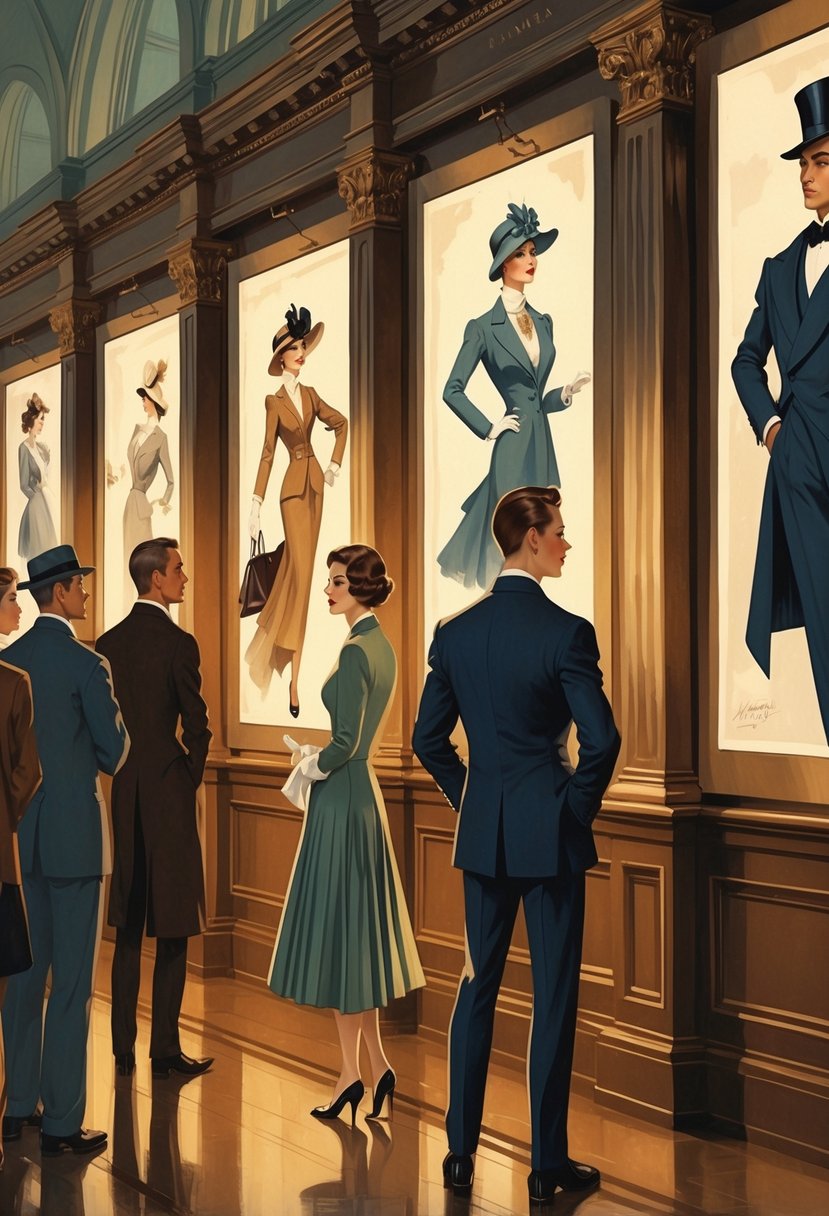
Joseph Leyendecker’s work has been featured in key exhibitions and recognized by top art institutions. His influence extends beyond his own era, shaping later artists and American culture.
Retrospectives and Major Exhibitions
Leyendecker’s original paintings and magazine covers have been shown in notable exhibitions. The Reynolda House Museum of American Art hosted “Leyendecker and the Golden Age of American Illustration,” showcasing 42 original paintings and 101 Saturday Evening Post covers. This exhibition highlighted his five-decade career and included advertising materials.
The National Museum of American Illustration and the American Illustrators Gallery in New York have also preserved and displayed his work, emphasizing his role during the Great Depression as a key figure in American visual culture. His art remains a central focus in retrospectives that celebrate illustration as a valued art form.
Recognition by Leading Institutions
Leyendecker’s art holds a prominent place in major American museums. The Metropolitan Museum of Art and the Norman Rockwell Museum both maintain collections related to his work, demonstrating his lasting artistic talent.
Institutions recognize Leyendecker not only for his technical skill but also for his role as a mentor. He influenced artists like Norman Rockwell, who studied under him. Organizations such as the Famous Artists School further helped spread his teaching methods, shaping generations of illustrators.
Leyendecker’s Ongoing Influence on Art and Culture
Leyendecker’s style defined much of American illustration during the early 1900s. His images of handsome men and elegant women set visual standards that influenced advertising and magazine art for decades.
New Rochelle, New York, where he worked, became an illustration hub due to his presence. His approach to composition and character inspired contemporary artists like Kurt Ard, who continue to draw on his techniques. His impact remains visible in modern illustration and cultural representation.
His career shows the power of art in shaping public perception, especially during challenging times like the Great Depression.
Frequently Asked Questions
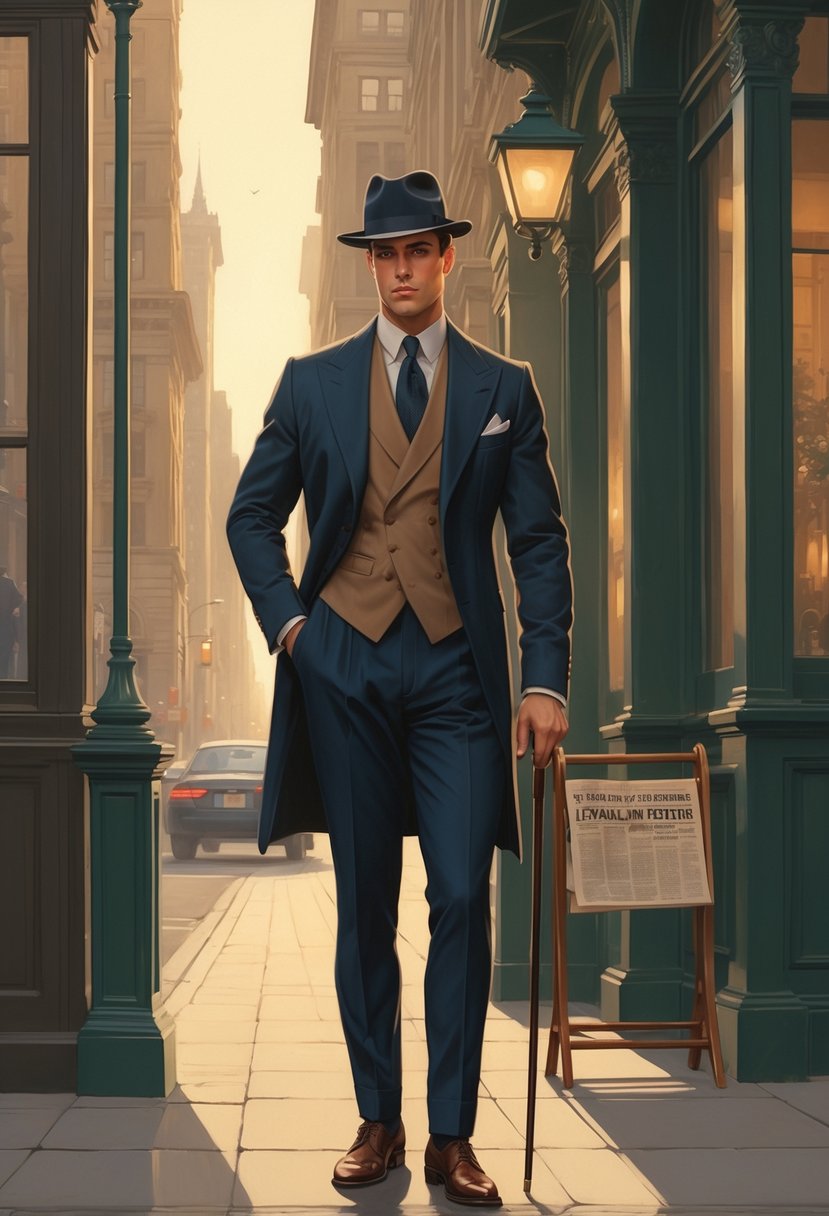
The Golden Age of American Illustration was marked by a strong focus on detail, realism, and storytelling through images. Artists used vibrant colors and bold compositions to capture everyday life, advertising, and popular culture. Leyendecker’s work is connected to key art movements and influenced many artists and the visual style of the time.
What were the defining characteristics of the Golden Age of American Illustration?
The period featured highly detailed and realistic artwork often used for magazine covers, advertisements, and books. Illustrators like Leyendecker focused on strong composition, clean lines, and rich colors.
This era balanced commercial appeal with artistic quality, making images that were both decorative and persuasive.
Which art movement is associated with J.C. Leyendecker’s work?
Leyendecker’s work is often linked to Art Nouveau and early Modernism. His style blended decorative elements with realism to create striking, elegant images.
He helped shape American illustration by mixing traditional techniques with contemporary influences.
Who were some of the prominent contemporaries of J.C. Leyendecker in the Golden Age of Illustration?
Norman Rockwell, Maxfield Parrish, and N.C. Wyeth were major figures alongside Leyendecker. They all contributed to magazine and advertising art in the early 20th century.
These artists set the tone for American visual culture during that time.
How did J.C. Leyendecker influence American visual culture during his career?
Leyendecker created iconic images that shaped ideas of American style and ideals. His work was seen on many covers of popular magazines, influencing fashion and social trends.
He also paved the way for more expressive and diverse representations in art and media.
What are the notable themes and subjects in Leyendecker’s illustrations?
Leyendecker often depicted idealized men and women in fashionable clothing, sports scenes, and holiday celebrations. His images reflected optimism, elegance, and American traditions.
He also explored themes of masculinity, leisure, and commercial culture.
In what ways did Leyendecker’s style evolve throughout the Golden Age of American Art?
Starting with detailed realism and decorative art, Leyendecker’s style became more refined and bold over time. He simplified forms while maintaining his characteristic sharp lines and dynamic poses.
His later work showed a modern look that influenced future generations of illustrators.