Mural Wall Art: 8 Stunning Designs to Transform Your Space
Mural wall art is a popular way to add personality and style to any space. It involves large-scale designs that cover walls, creating a unique visual impact. Many people use murals to change the look of a room without needing to paint or use traditional art pieces.
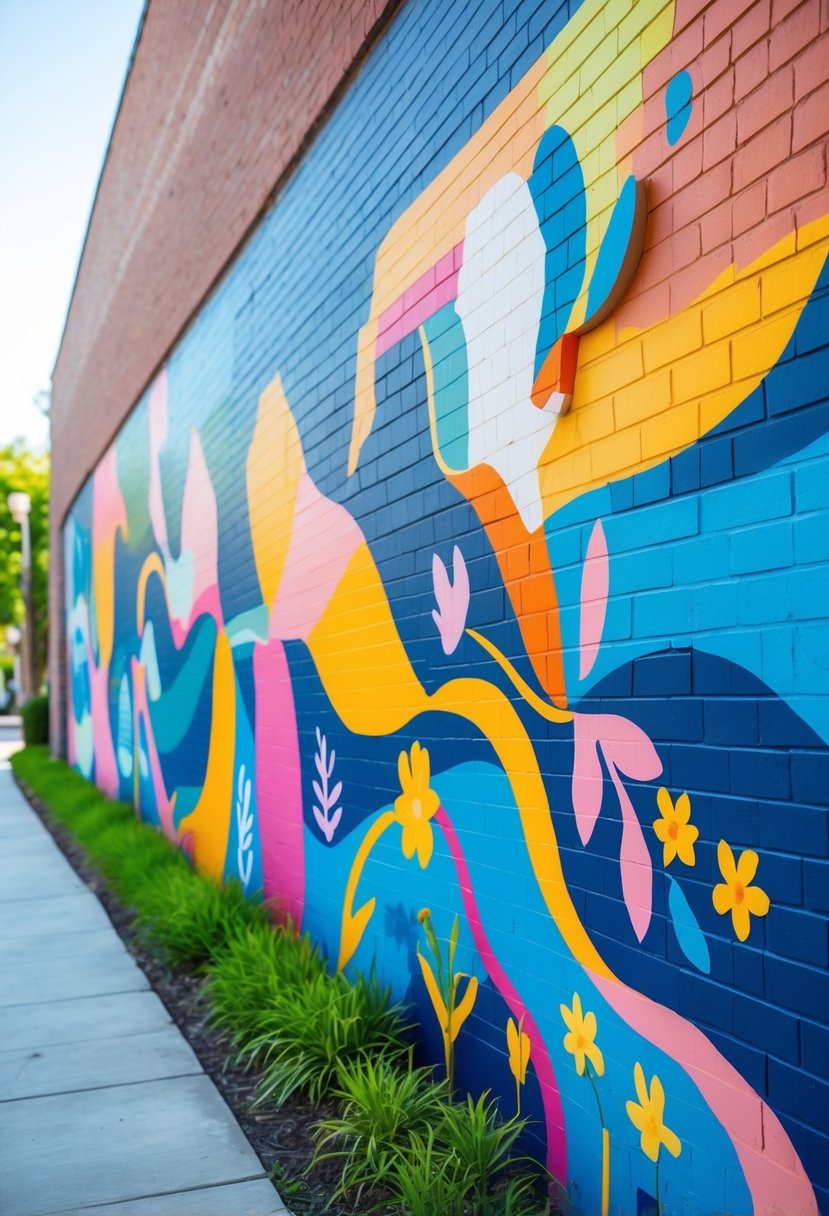
Mural wall art can transform a plain wall into a striking feature that reflects personal taste or enhances the room’s atmosphere. These designs range from bold patterns to subtle images, allowing for a wide variety of choices that suit different spaces and purposes.
1) Bold Nature Scene Murals
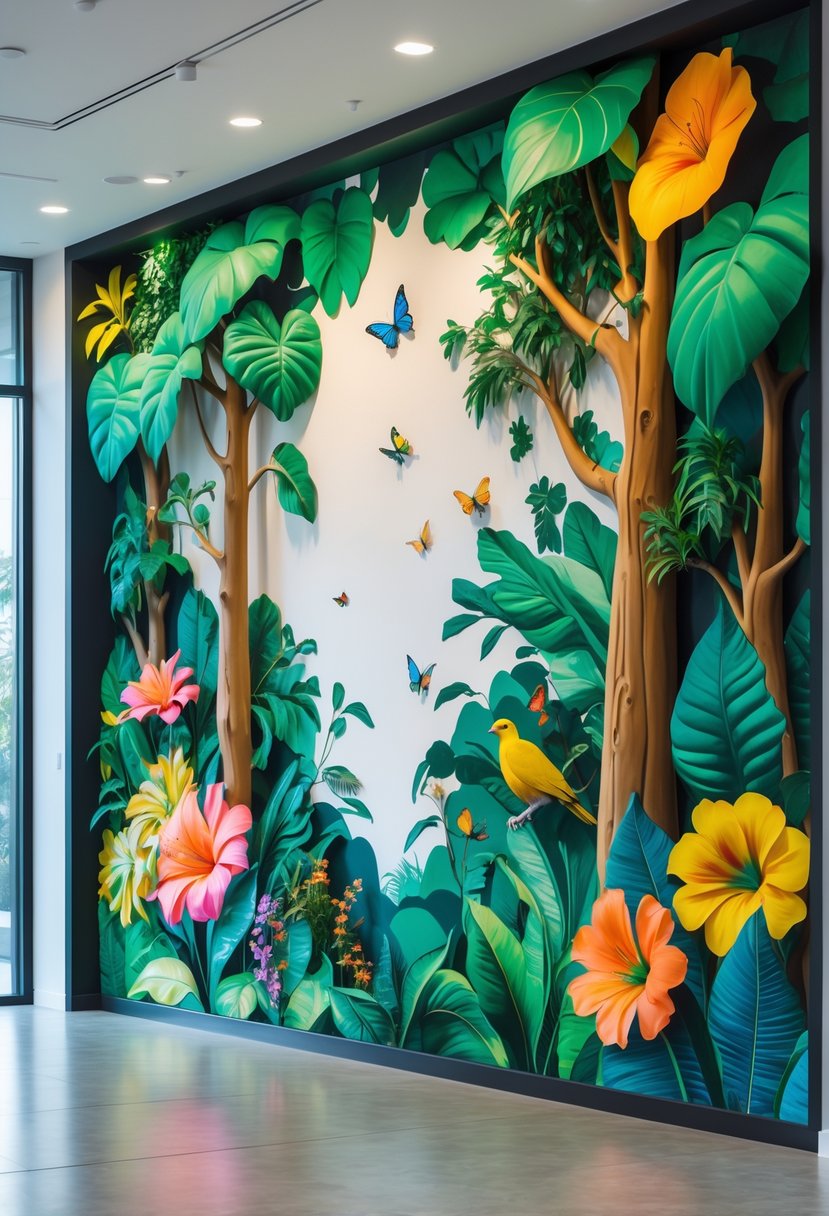
Bold nature scene murals bring large, detailed images of forests, mountains, or lakes into any space. They add depth and create a calm, natural atmosphere. These murals work well in homes or offices to make walls stand out with realistic, high-quality nature views.
2) Abstract Geometric Wall Art
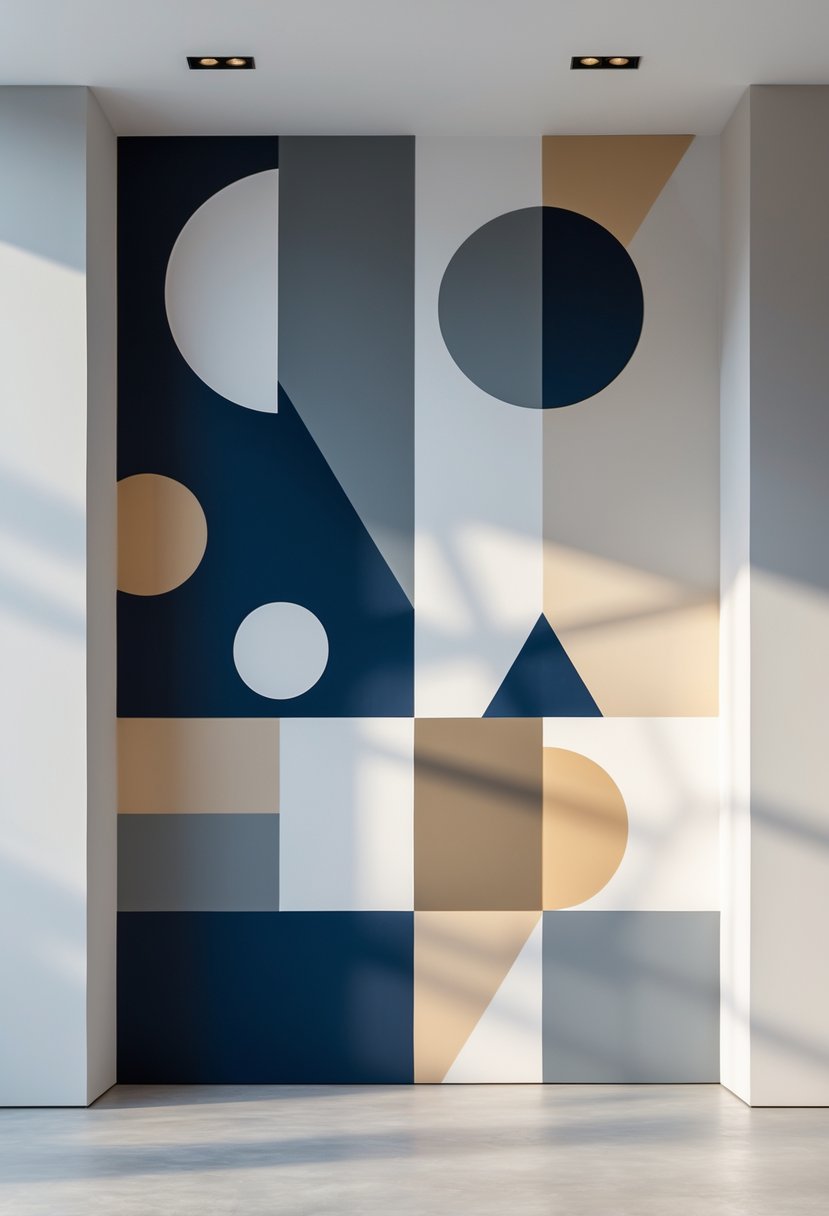
Abstract geometric wall art uses shapes like circles, squares, and lines to create modern designs. It often combines simple forms with bold colors to add style to a room. This type of mural suits spaces needing a clean, contemporary look. It can bring order and visual interest without being overwhelming.
3) Cityscape Photo Murals
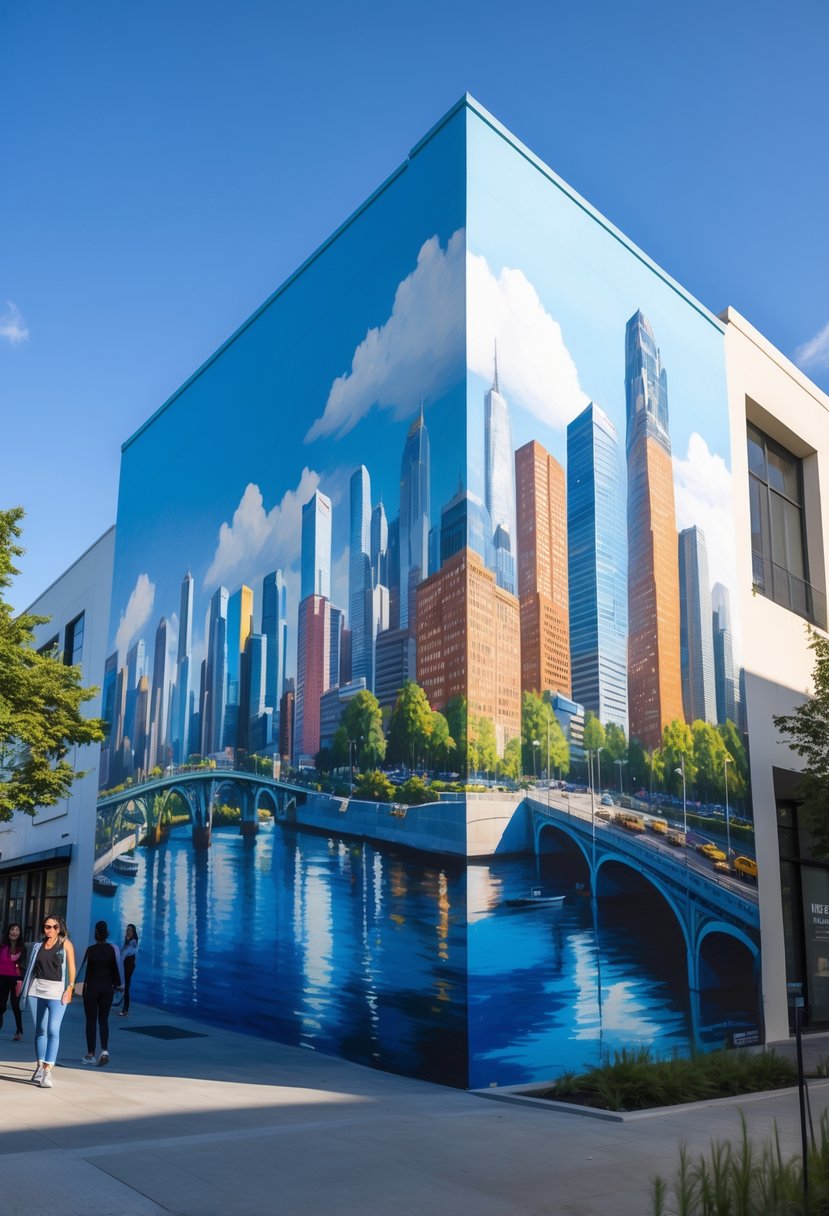
Cityscape photo murals show detailed images of urban skylines and buildings. They add depth and character to a space. These murals are simple to install and can be removed without damage. They often create a modern and stylish look in homes or offices.
4) Peel and Stick Removable Wallpaper
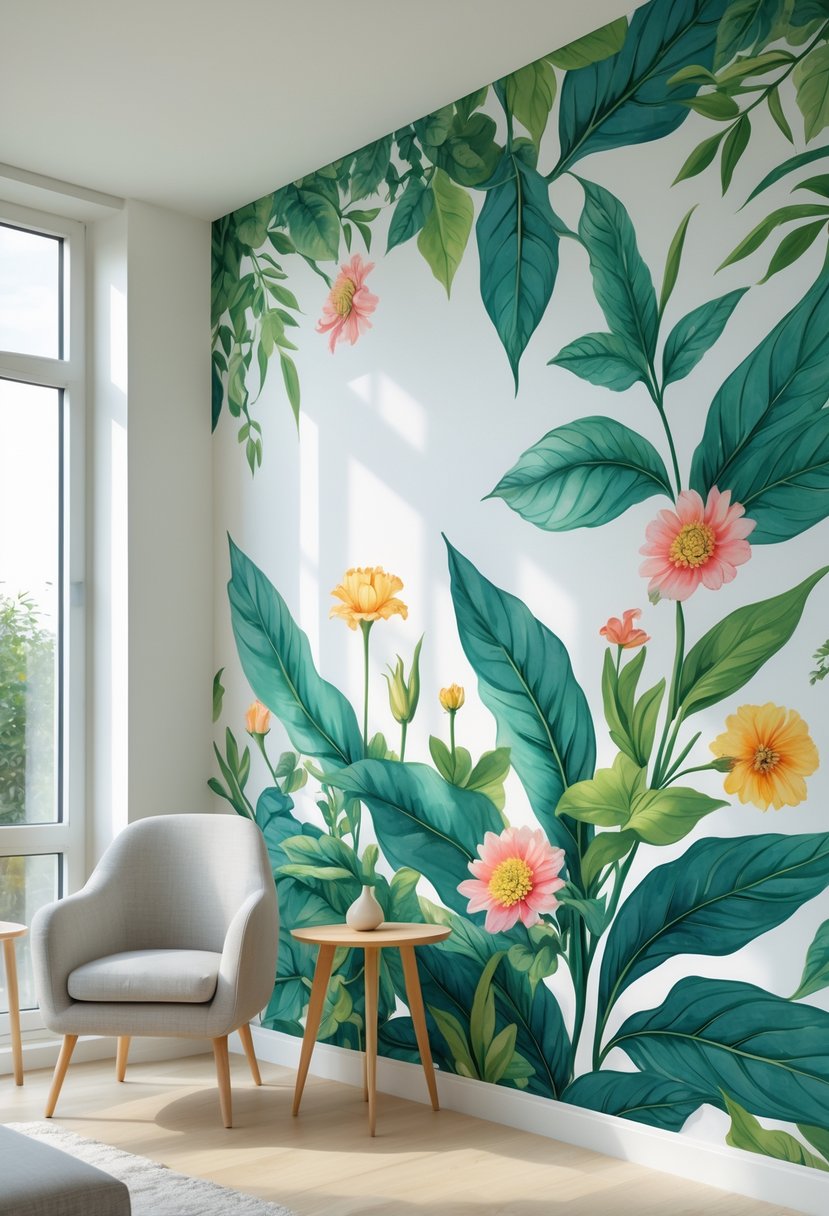
Peel and stick removable wallpaper offers a simple way to change wall decor. It sticks to smooth surfaces without paste or tools.
It is easy to remove and won’t damage walls, making it ideal for renters. Designs vary widely, including nature scenes and patterns.
5) Customizable Floral Wall Murals
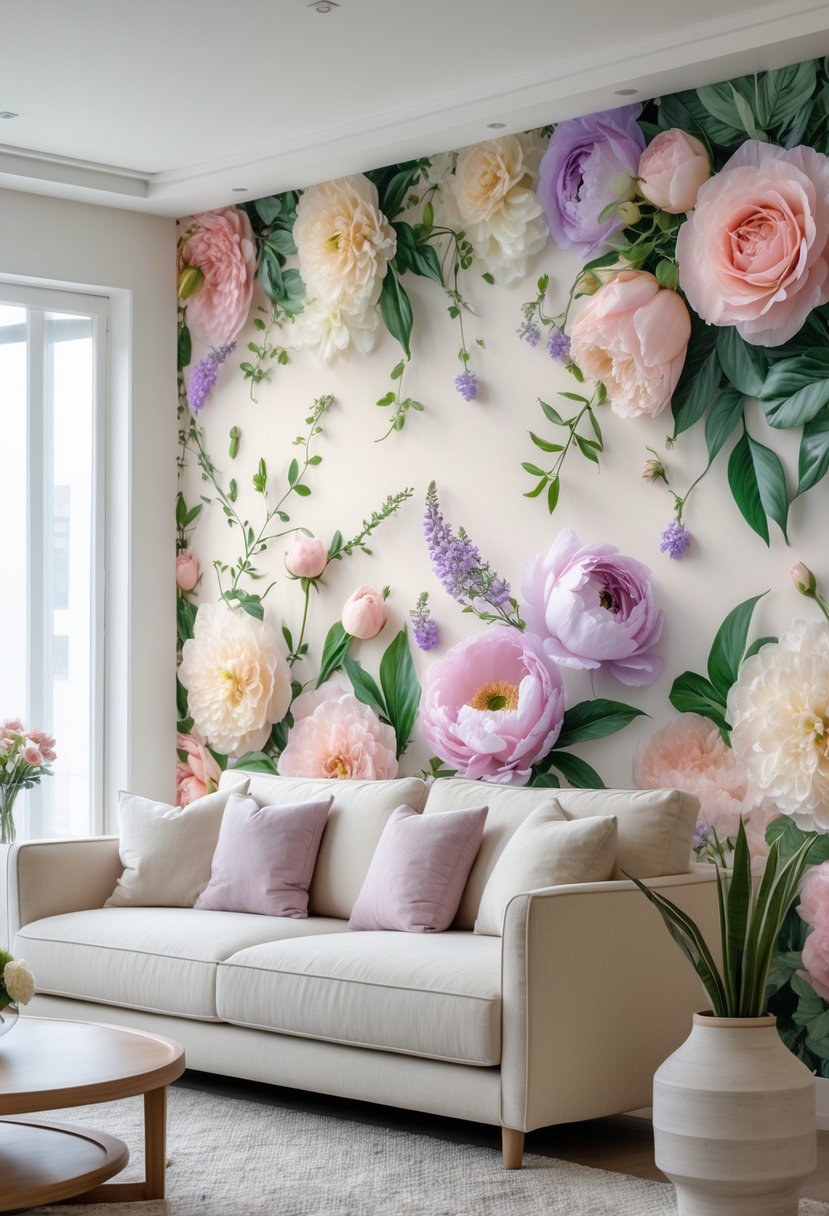
Customizable floral wall murals allow people to choose colors and patterns that fit their space. They can be made to match bedrooms, living rooms, or even outdoor areas. This flexibility helps create a personal and balanced look. Many companies offer options to design murals that suit different styles and preferences.
6) Large-Scale Tropical Jungle Murals

Large-scale tropical jungle murals cover entire walls, creating a strong visual impact. They often feature lush greenery, exotic plants, and wildlife.
These murals can bring a natural, calming feel to any room. They work well in living rooms, bedrooms, or commercial spaces.
7) Vintage Botanical Wallpaper Murals
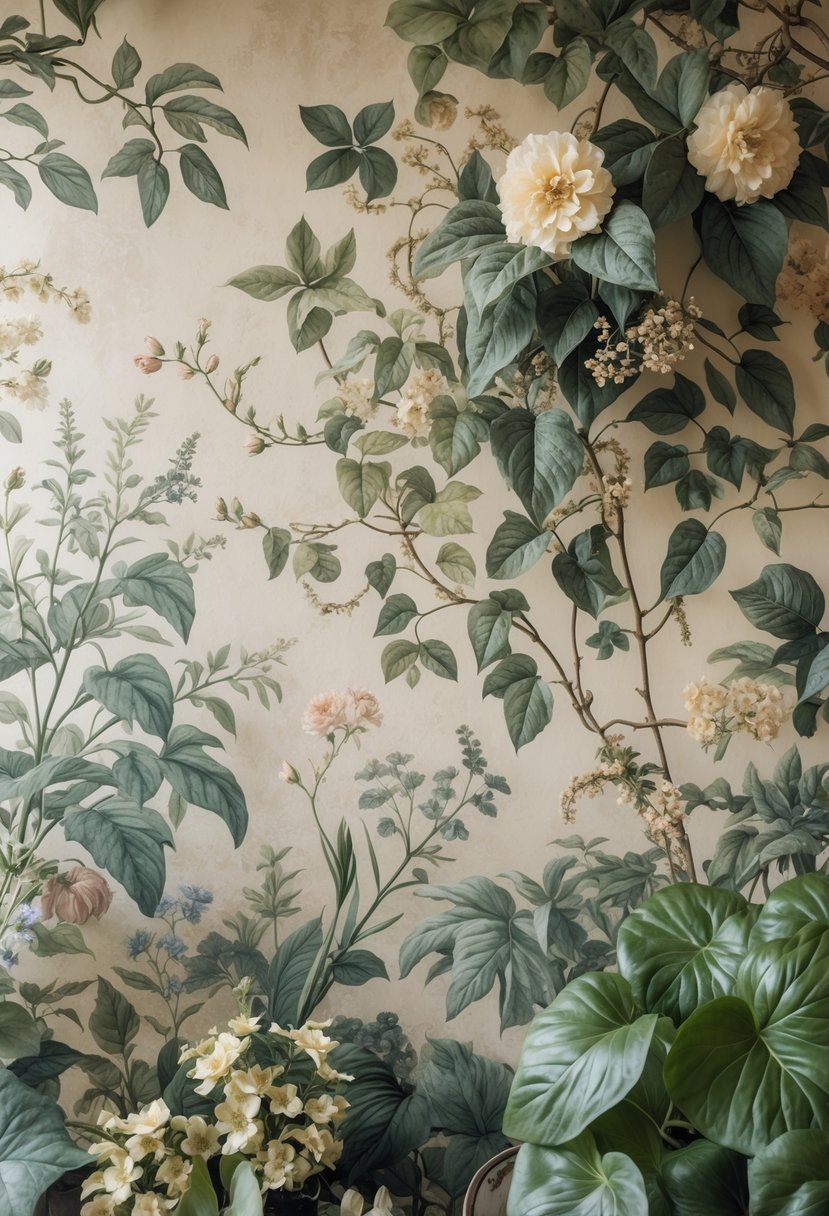
Vintage botanical wallpaper murals show plants and flowers with an old-fashioned style. They add a timeless look to any room.
These murals often use muted colors and detailed illustrations. They bring a calm, classic feel to walls.
8) Modern Minimalist Line Art Murals
Modern minimalist line art murals use simple, clean lines to create striking images. They add a subtle, elegant touch without overwhelming a room. These murals fit well in many spaces, offering a calm and modern look. Their bold black and white designs often make a strong visual statement.
Understanding Mural Wall Art
Mural wall art is a direct form of artistic expression that interacts closely with its environment. It often reflects cultural stories, uses diverse methods, and involves many materials to create lasting images on walls and ceilings.
Historical Significance
Murals have existed since prehistoric times. Early humans created cave paintings that recorded their lives and beliefs. These ancient murals provide evidence of early communication and creativity.
Over time, murals have been used in many cultures to tell stories, honor leaders, and decorate public spaces. They played key roles in religious sites, government buildings, and community centers.
Today, murals continue to influence urban areas by adding color and meaning. They often express community identity or social messages, connecting past and present through public art.
Types of Techniques
Mural wall art can be made using several main techniques. Fresco is a traditional method where pigments are applied to wet plaster, making the artwork part of the wall itself.
Secco involves painting on dry plaster, which allows for more detail but is less durable.
Modern murals often use spray paint or stencils for quicker application and sharp lines. Artists may also incorporate collage or other mixed media to add texture.
These techniques vary depending on the desired style, durability, and surface type.
Materials Commonly Used
Murals are created on many surfaces including brick, concrete, wood, and stone. The choice of material affects the mural’s appearance and longevity.
Common materials for murals include:
- Acrylic paint: Water-resistant and versatile.
- Oil paint: Rich colors but slower drying.
- Spray paint: Fast coverage, often used in street art.
- Tile or ceramic pieces: Used in mosaic murals for a textured effect.
Other materials like cement or plaster also play roles, especially in fresco techniques or sculptural murals. Artists select materials based on climate, surface, and artistic goals.
Incorporating Mural Wall Art in Modern Spaces
Mural wall art adds texture, color, and personality to both homes and businesses. It can define areas, create focal points, and reflect style without needing physical barriers or heavy decor.
Residential Settings
In homes, murals often mark different zones, especially in open floor plans. For example, a painted border or partial mural can separate dining areas from living spaces without interrupting sightlines. Soft, curved shapes and subtle patterns help keep the flow gentle while adding interest.
Murals also work well in bedrooms, playrooms, or reading corners. They can bring calm or energy depending on the colors and themes. Homeowners sometimes use easy methods like wallpaper murals or DIY stencils, which lower costs and make updates simple.
Using mural art this way makes a room feel larger and more personalized. It’s a practical choice for renters who want style without permanent changes.
Commercial Applications
Businesses use mural wall art to create inviting and memorable spaces. Restaurants often apply murals that match their brand or theme, helping customers connect with the atmosphere. Offices may include murals to inspire creativity or mark collaborative zones.
Murals also guide visitors by visually dividing areas like waiting rooms, lounges, or workstations. The designs can include abstract shapes, cultural elements, or bold graphics, which enhance mood and identity.
For commercial use, durability matters. Many choose professional hand-painted or high-quality printed murals to ensure lasting impact. This strengthens branding while keeping spaces fresh and engaging for staff and clients alike.
Frequently Asked Questions
Choosing the right mural involves considering style, size, and room lighting. Installation methods vary by mural type, while finding quality large murals depends on trusted brands. Costs for murals depend on design complexity and size. Paint types and mural styles affect durability and appearance.
How do you choose the right mural artwork for your living room?
He or she should think about the room’s size and lighting first. Bold nature scene murals bring life to large spaces. Abstract geometric walls fit modern styles. The mural should match the room’s color palette and furniture.
What are the best methods for installing peel and stick wall murals?
Peel and stick murals work best on smooth, clean walls. It is important to measure the space before applying. Slowly peel off the backing and press the mural firmly against the wall to avoid bubbles. Use a flat tool to smooth it out.
Where can you find high-quality large mural wall art for home decoration?
High-quality murals come from established brands like Komar or QuickMurals. These brands offer customizable floral wall murals and cityscape photo murals. Buying from reputable sellers ensures better materials and print quality.
What are the cost considerations for commissioning a full wall mural?
The costs depend on the size of the wall and the detail of the artwork. Custom designs often cost more than printed murals. Hand-painted murals may take longer and be more expensive due to the artist’s skill and time.
What types of paint are recommended for creating a durable mural wall art?
Acrylic paints are commonly used because they dry fast and last long indoors. They resist fading and are easy to clean. Some artists use specialty sealants over the paint to protect the mural from damage.
How does mural wall art differ from traditional street art in execution and style?
Mural wall art is often planned and executed in a controlled space like inside a home. It usually focuses on a clean finish and matching decor. Street art tends to be faster and more spontaneous, often reflecting urban culture and public messages.