Harry Potter Illustrations: Exploring Artistic Magic in the Wizarding World
Harry Potter illustrations bring the magical world of Hogwarts and its characters to life in vivid and imaginative ways. Throughout the original book series, detailed chapter artwork helps readers picture key moments, adding depth to J.K. Rowling’s storytelling. These illustrations are an essential part of how fans experience and connect with the Harry Potter universe.
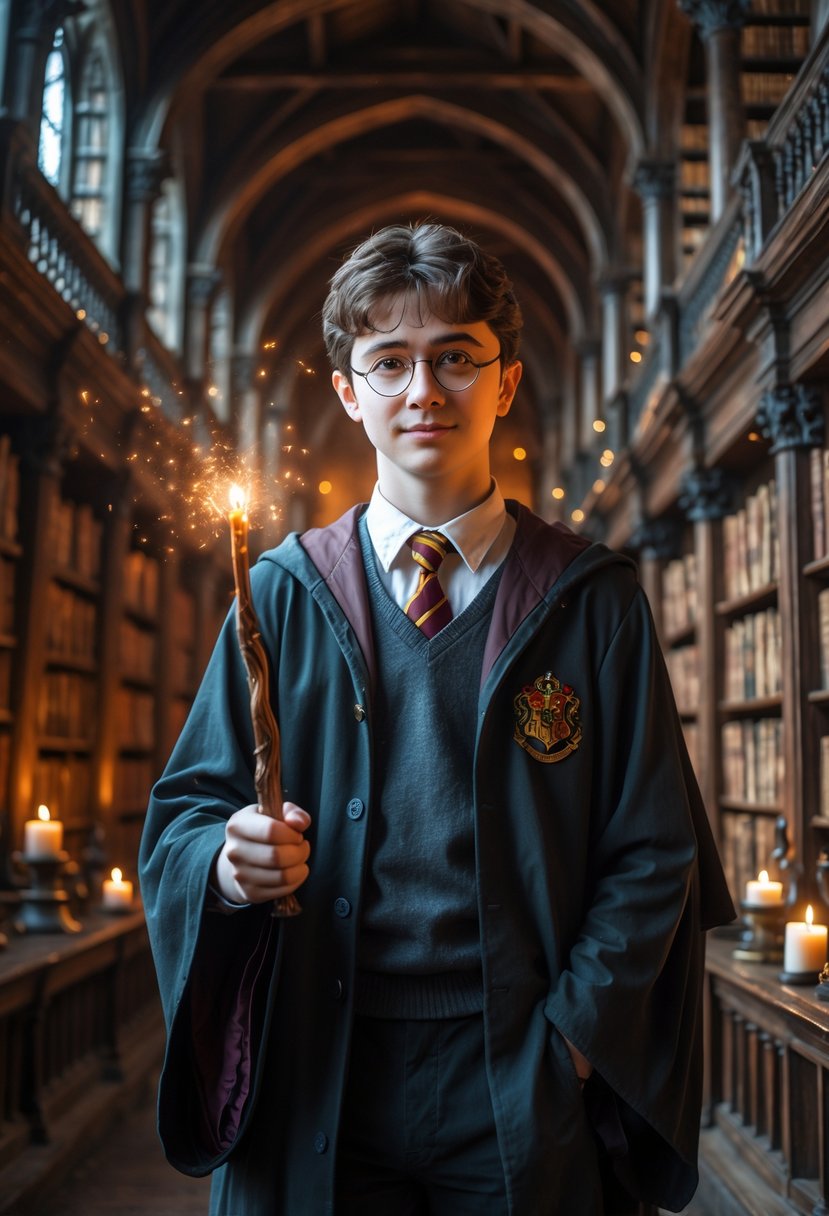
Many talented artists have shaped the visual identity of the series, creating covers and chapter images that capture the mood and themes of each story. From Mary GrandPré’s original drawings to modern illustrated editions, each style offers a unique view into the wizarding world. The variety of artistic approaches keeps the magic fresh and exciting for new generations.
Illustrations don’t just belong to the official books—fan artists and digital creators continue to reimagine Harry Potter with their own creative twists. This ongoing visual exploration enriches the story and broadens its appeal beyond the written word. Readers and fans are invited to discover a wide range of artwork that celebrates the series in many forms.
Key Takeaways
- Illustrations deepen readers’ connection to the Harry Potter story.
- Different artists bring unique styles to the wizarding world.
- Fans continue to create new interpretations through fan art.
The Role of Illustrations in Harry Potter
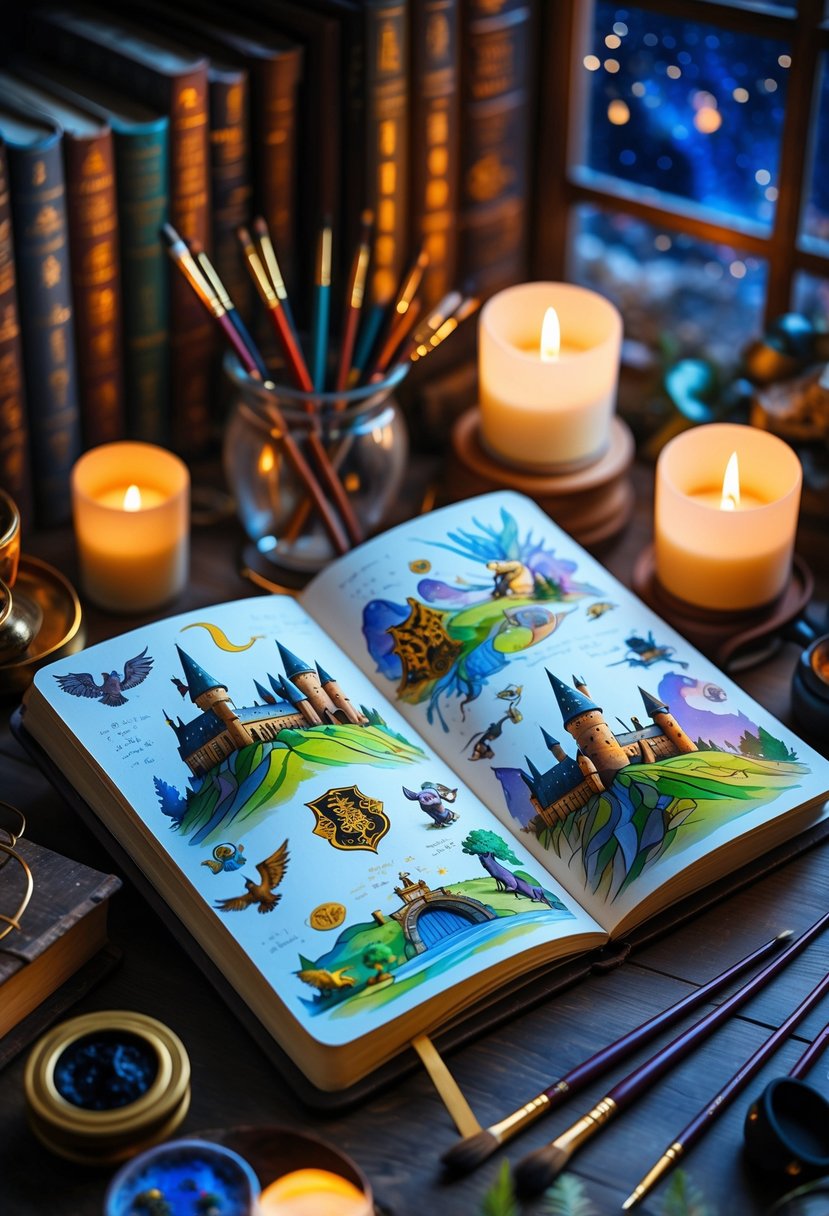
Illustrations in the Harry Potter series do more than decorate the pages. They shape how readers imagine the wizarding world, create emotional connections, and highlight key moments in the story. These images help deepen the experience beyond words alone.
Visual Storytelling and Impact
Illustrations bring scenes and characters to life, showing details that text alone might not clearly present. For example, Mary GrandPré’s artwork captures Harry’s lightning bolt scar and Hogwarts’ distinctive towers, giving readers a clear visual identity of the wizarding world.
These images add depth to the story. They set the mood using color and style, making magical creatures and settings more vivid. This visual storytelling helps readers feel immersed and better understand the atmosphere in the books.
Connection Between Art and Readers
Readers often form strong attachments to the illustrations because they create shared images of characters and places. GrandPré’s work, especially on the American editions, introduced many to Harry Potter’s world before any movies were released.
The art helps readers imagine characters like Hermione and Ron with personality and emotion. Since Rowling was not heavily involved in the illustration process, artists had freedom to interpret, making the visuals personal to many readers.
Iconic Illustrated Moments
Certain illustrations have become emblematic of the Harry Potter series. The cover designs for all seven books by Mary GrandPré, including the lightning bolt logo, are instantly recognizable symbols of the franchise.
Chapter illustrations often highlight pivotal scenes, such as Harry’s first time flying or the discovery of the Mirror of Erised. These moments help mark major plot points visually and enhance readers’ memory of the story’s key events.
For more on Mary GrandPré’s role and her illustrations, see the detailed article on her work at MuggleNet.
Chapter Illustrations in the Books
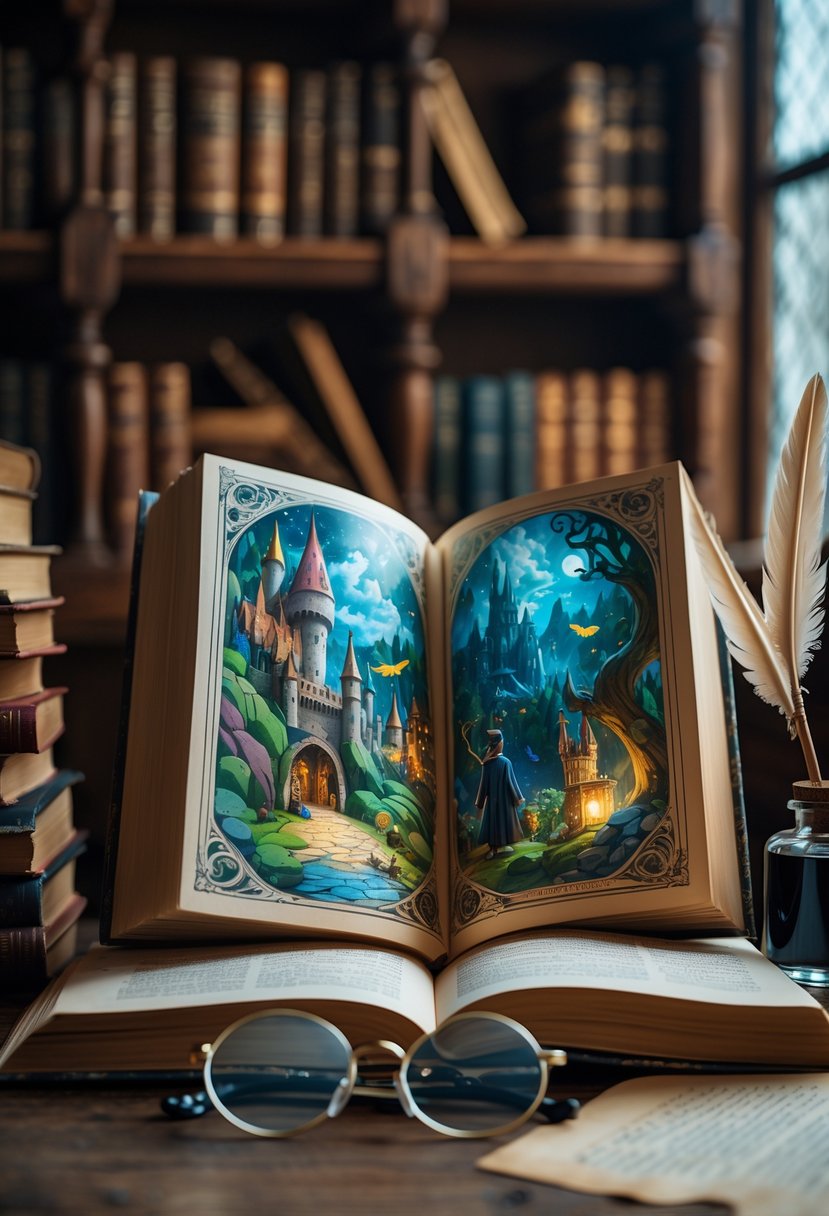
The Harry Potter series features detailed chapter illustrations that add visual depth to the story. These drawings highlight important moments and settings from each book, helping readers connect with the plot and characters more easily. The artwork often captures key scenes and objects that are central to the magical world.
Overview of Chapter Art in the Series
The chapter illustrations were created by Mary GrandPré for the U.S. editions of all seven Harry Potter books. She designed over 200 black-and-white images, each linked to a specific chapter. These drawings range from simple objects to complex scenes that reflect key moments in the story.
Each book contains between 18 to 39 chapter illustrations. For example, Harry Potter and the Philosopher’s Stone has 18 illustrations, while Goblet of Fire has 38. These visuals help guide readers through the evolving story and bring the magical world to life with clarity and style.
Art Highlights from Philosopher’s Stone
The first book, Philosopher’s Stone, introduces many iconic images. It includes artwork like “The Boy Who Lived,” which depicts baby Harry after the attack by Voldemort. Another notable piece, “The Vanishing Glass,” shows the moment when Harry accidentally makes the glass disappear at the zoo.
Other important illustrations include “The Letters From No One,” where letters arrive to Harry at the Dursleys, and “The Keeper of the Keys,” capturing Hagrid’s dramatic visit to bring Harry to Hogwarts. The drawing of “Diagon Alley” offers a glimpse of the magical marketplace where Harry first buys school supplies.
Signature Scenes Depicted
The illustrations often highlight scenes that are pivotal to the plot or reveal character moments. For example, “The Boy Who Lived” shows the start of Harry’s journey. “The Keeper of the Keys” portrays Hagrid’s role as a protector and guide.
Many images focus on magical details, such as owls delivering letters or the intricate street of Diagon Alley. These highlight the blend of everyday objects with enchantment. The art also serves to build mood, like the mysterious feeling in “The Vanishing Glass” or the excitement of entering the wizarding world.
For a detailed look at all the chapter illustrations, see every piece from the series here.
Artists Behind the Magic
The Harry Potter series is brought to life not only by its story but also through the work of skilled illustrators. These artists shaped how readers visualize characters, scenes, and magical creatures. Their styles vary, yet each adds a unique depth to the books and editions.
Mary GrandPré’s Contributions
Mary GrandPré is best known for illustrating the original U.S. editions of the Harry Potter books. Her soft color palette and expressive style helped set the visual tone for American readers. She created the iconic cover art for Harry Potter and the Sorcerer’s Stone, which introduced many to the wizarding world visually.
GrandPré worked on all seven books’ covers and various chapter illustrations. Her work is known for its warmth and detail, which complemented J.K. Rowling’s storytelling. Many of her original pieces have been exhibited, highlighting their lasting importance in Harry Potter art history.
Other Notable Illustrators
Several artists have contributed to Harry Potter beyond GrandPré. Jim Kay is notable for his fully illustrated editions, combining detailed scenes and character portraits with a darker, more realistic style. His illustrations cover everything from tiny objects to large spreads, offering a fresh way to experience the story.
Brian Selznick created the cover art for the 20th anniversary editions, blending his award-winning artistic skills with iconic Harry Potter imagery. Other contributors include Amanda Penley, known for digital illustrations that capture the magical atmosphere. Collectively, these artists enrich the visual world of Harry Potter across many formats.
J.K. Rowling’s Sketches
J.K. Rowling herself created simple sketches during the early stages of writing the series. These rough drawings helped shape character looks and important objects before professional artists took over. Though basic, her sketches provide insight into Rowling’s creative process.
Some of her initial drawings have been shown in exhibitions, revealing original ideas behind character appearances and settings. Rowling’s involvement in illustration, though limited, shows her direct influence on the visual side of the books. These sketches remain cherished by fans for their personal connection to the author’s vision.
Styles and Themes in Harry Potter Illustrations
Harry Potter illustrations combine various artistic methods to bring the magical world to life. They highlight key magical objects, settings, and characters with distinct visual styles. Over time, the way artists portray this universe has changed, reflecting new ideas and artistic trends.
Artistic Techniques Used
Artists use a mix of watercolor, pencil, and digital tools to create Harry Potter illustrations. Watercolor adds softness and a dreamy quality, especially seen in Thomas Taylor’s early covers. Pencil sketches provide detailed line work, helping to define characters and objects clearly. Digital painting allows more vibrant colors and layering effects, as seen in Jim Kay’s illustrated editions.
Many illustrations use careful shading and light to show mood and atmosphere. For example, shadows and muted tones emphasize mystery in Hogwarts scenes. Bold colors highlight moments of magic, like spells or flying scenes. These techniques guide the reader’s imagination to visualize the magical world more vividly.
Depiction of Magical Elements
Magical items like wands, potions, and broomsticks are shown with fine detail in the illustrations. Wizards often carry wands with distinct designs, emphasizing their unique powers. Hogwarts is illustrated with towering spires and enchanted features that suggest an ancient, magical castle.
Magical creatures such as owls, Hippogriffs, and house-elves appear in lively and varied styles, showing their importance in the story. Flying scenes, like Harry on his broomstick, often use motion lines or dynamic poses to convey action. The illustrations use a mix of realism and fantasy to keep magic believable yet wondrous.
Evolution of Visual Interpretations
Early Harry Potter covers, like those by Thomas Taylor, focused on simple but charming visuals that introduced readers to the wizarding world. Later artists such as Mary GrandPré added more dynamic compositions and color, deepening the emotional tone.
Jim Kay’s recent illustrations show a shift to a more detailed, painterly style. His work adds texture and depth, making scenes look almost three-dimensional. This evolution shows how artistic approaches have matured, matching the series’ growing complexity and darker themes.
The changing styles reflect both advances in illustration technology and changing perceptions of the story’s mood—from playful beginnings to more dramatic, immersive storytelling. For collectors and fans, each style offers a unique way to experience Harry Potter’s magical universe.
Read more about the artistry behind iconic Harry Potter illustrations.
Modern Remixes and Fan Creations
Fan creations and remixes of Harry Potter illustrations have grown widely with digital tools and online communities. Artists use new styles and techniques to bring fresh life to familiar scenes and characters. Many share their work freely, making it easier for fans to explore and enjoy diverse interpretations.
Digital Illustrations and Vectors
Digital art dominates modern Harry Potter illustrations. Artists use software like Adobe Illustrator and Procreate to create sharp, colorful images. Vectors allow for scaling without losing quality, which is perfect for merchandise or fan projects.
These digital illustrations often offer new angles on well-known characters like Harry, Hermione, and Voldemort. Some artists emphasize magical elements such as spells, creatures, or Hogwarts’ architecture with bright, detailed layers.
Many digital works mix realism with stylized designs. This blend helps them appeal to both longtime fans and a younger audience discovering the series. Digital platforms also help artists reach a global audience quickly.
Fan Art Communities
Online fan art communities play a big role in sharing Harry Potter illustrations. Sites like DeviantArt and Pinterest host thousands of uploads focused on the wizarding world. Artists post original drawings, edits, and fan interpretations of key moments in the books.
These communities allow feedback and support among fans who share a passion for Harry Potter illustrations. Group projects and themed challenges inspire artists to try new ideas, often blending traditional and digital techniques.
Some fan art makers update classic scenes or characters, adding modern styles or seasonal themes. The interaction among creators builds a collaborative space that keeps the Harry Potter fan art scene active and creative. More fan art ideas and collections can be found on platforms like DeviantArt and Pinterest.
Free Resources for Fans
Free resources help Harry Potter fans access and create their own illustrations. Websites offer downloadable materials like coloring pages, templates, and vector files. These resources often include characters, iconic symbols like the Deathly Hallows, and Hogwarts imagery.
Fan sites sometimes host tutorials on drawing spells, creatures, or the magical world’s style. Free fonts and brushes inspired by the series also support fan projects.
Sharing these free tools encourages creativity across skill levels. Beginners can learn basics, while experienced artists refine their work. Many of these resources are shared in fan art groups on social media platforms like Facebook and TikTok.
Fans looking for Harry Potter themed art supplies can explore free collections and guides to get started quickly and join fan art initiatives.
Frequently Asked Questions
Harry Potter illustrations have a rich history involving multiple artists and unique qualities. The original artwork helped shape how fans picture the wizarding world. Chapter illustrations and cover art each have special features that added to the books’ appeal.
Who is responsible for the original illustrations of the Harry Potter books?
Mary GrandPré created the original illustrations for the American editions of the Harry Potter series. She also designed the iconic lightning bolt logo used on the covers.
How many Harry Potter books feature Mary GrandPré’s cover art?
Mary GrandPré illustrated the covers for all seven books in the series. She also made more than 200 chapter illustrations throughout the series.
What are some unique features of the Harry Potter chapter illustrations?
The chapter illustrations include detailed, small-scale drawings that appear at the beginning of many chapters. They provided early visual ideas about characters and scenes, often done without direct input from J.K. Rowling.
Are there full-color versions of the Harry Potter chapter illustrations available?
Yes, starting in 2015, full-color illustrated editions of all seven Harry Potter books were released. These editions feature large, vivid illustrations by Jim Kay that cover entire pages and include detailed artwork throughout the text.
What illustrated editions of Harry Potter are considered the best by fans?
The illustrated edition of Harry Potter and the Philosopher’s Stone by Jim Kay is highly praised. Fans appreciate the detailed, full-color artwork that brings new life to the story and characters.
Which rare Harry Potter book illustration was auctioned for a high price?
Original Mary GrandPré illustrations and early cover art pieces have been displayed in exhibitions. Some rare original illustrations have been auctioned for significant amounts due to their history and rarity.
For more about Mary GrandPré’s work and history, see this detailed discussion on her illustrations.