Make It Minimal: 7 DIY Wall Art Ideas for Modern Homes to Elevate Your Space
Minimalist wall art can bring a clean, modern feel to any home without overwhelming the space. It focuses on simple shapes, neutral colors, and uncluttered designs that match well with modern decor styles.
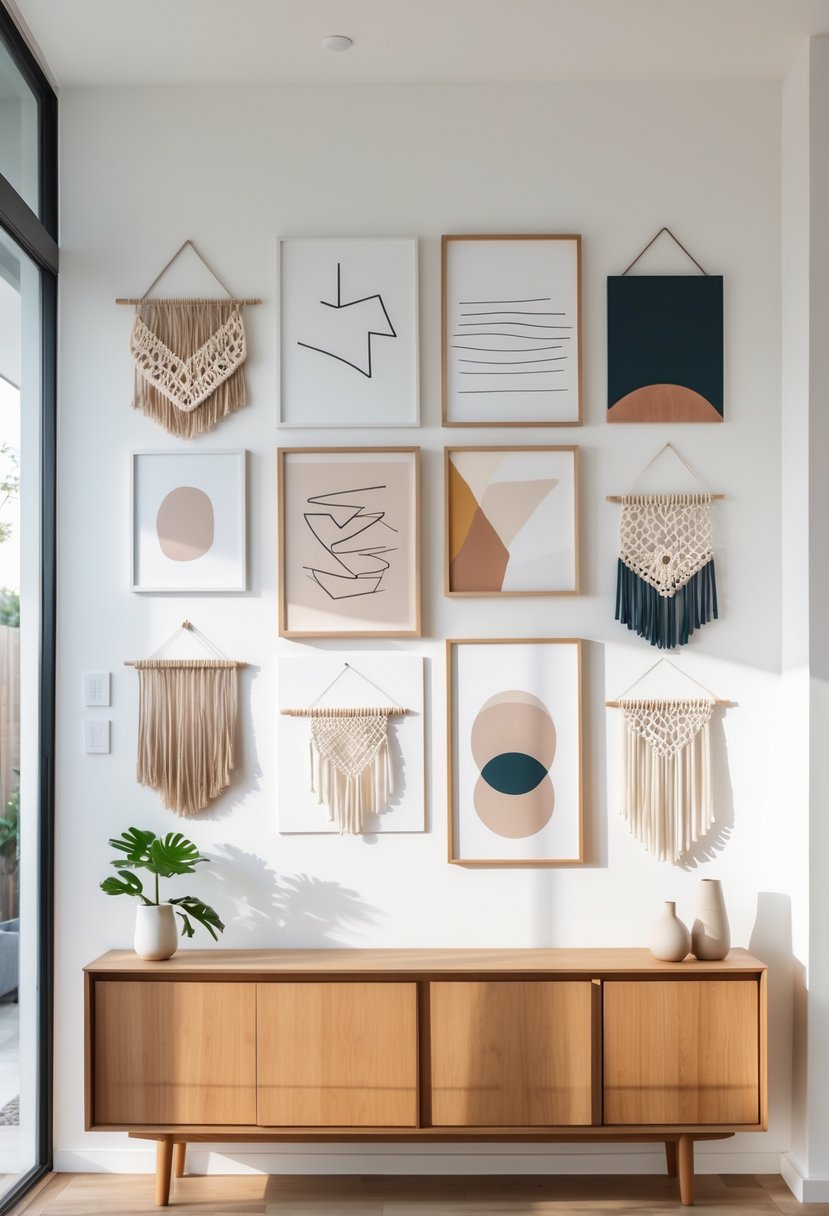
This article offers seven DIY wall art ideas that help anyone create stylish and personal pieces without needing advanced skills or expensive materials. These projects are designed to add a subtle yet impactful touch to walls, making rooms feel fresh and thoughtfully decorated.
1) Geometric Canvas Art with Bold Lines and Shapes
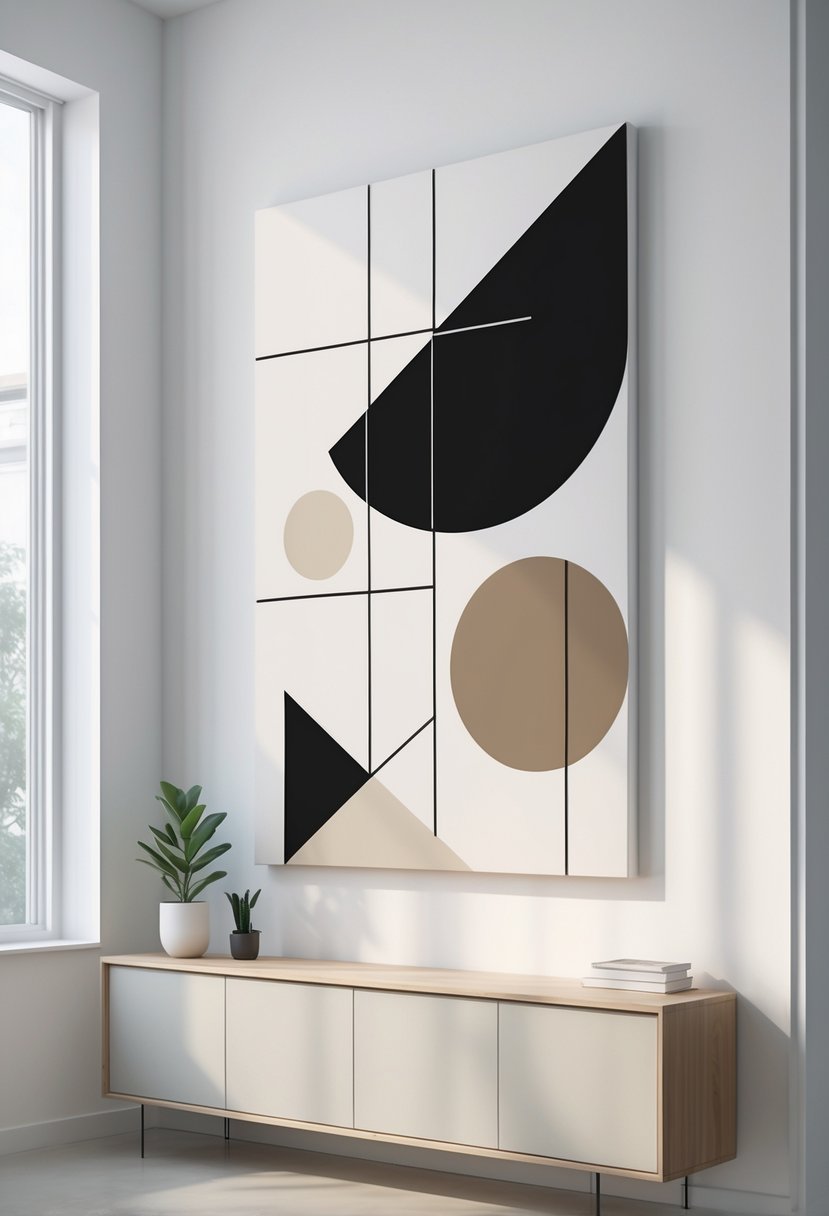
This project uses painter’s tape to create clear, sharp lines on a canvas. The shapes, like triangles and squares, add structure and style.
Choosing bold colors or metallic paints enhances the modern look. It is easy to customize by mixing shapes and colors.
2) Textured Abstract Paintings Using Palette Knives
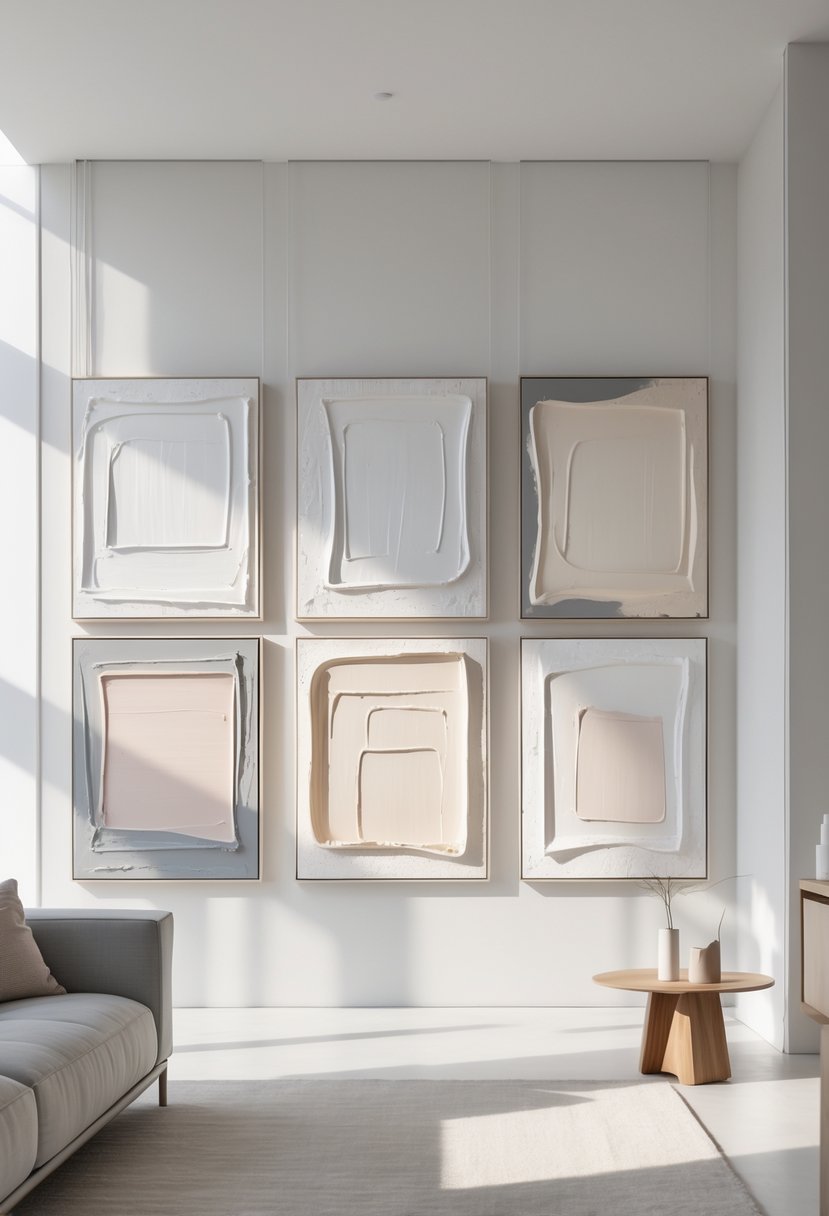
They use palette knives to apply thick paint, creating texture and sharp edges. This method adds depth to any wall art with simple tools and bold strokes. It works well with acrylic paints for a modern, tactile look that fits minimalist decor.
3) Wooden Dowels Arranged into Modern Wall Sculptures
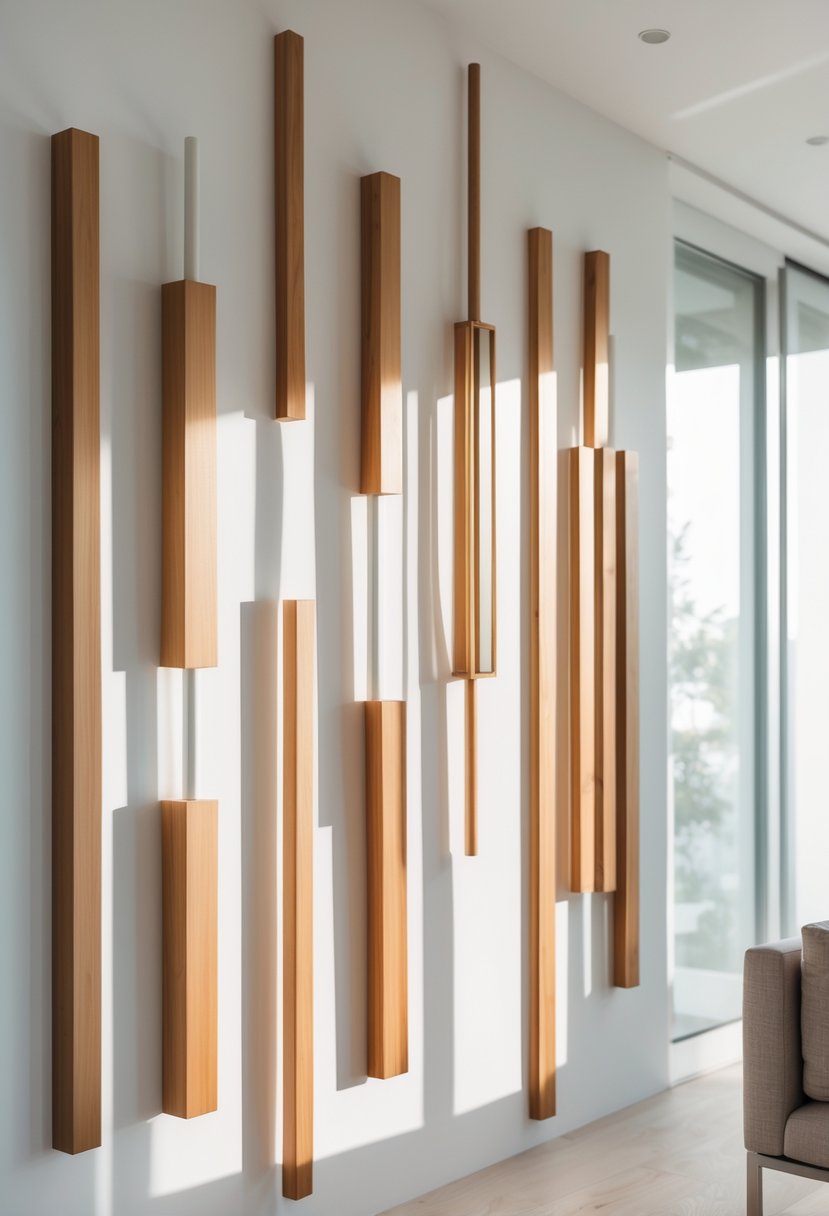
Wooden dowels can be used to create simple, modern wall sculptures. They are easy to arrange in various patterns and glued together for structure. This method allows for affordable, customizable art that fits well in minimalist spaces.
4) Minimalist Black and White Ink Drawings
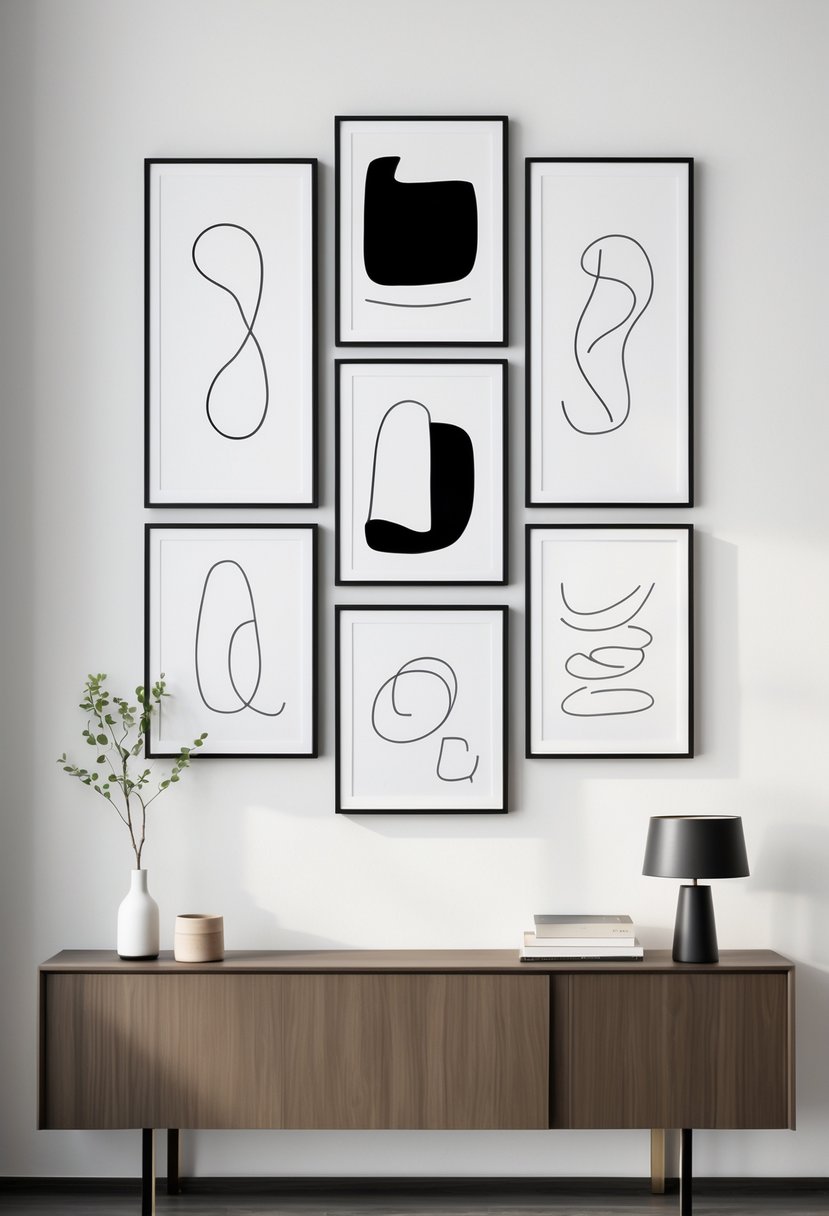
Minimalist black and white ink drawings use simple lines and shapes. They focus on form without extra details.
These drawings fit well in modern homes because they add style without clutter. They are easy to create or find, making them a practical choice for wall art.
5) Ombre Gradient Acrylic Canvases
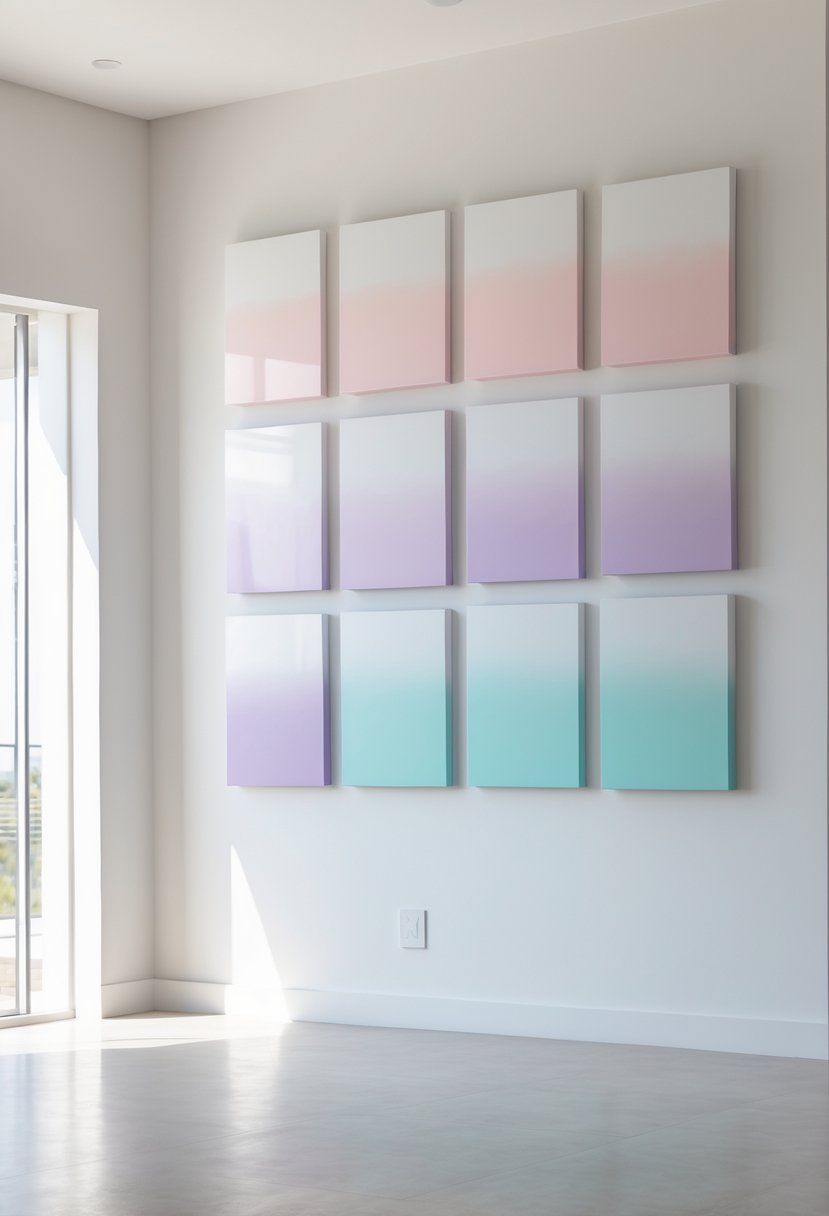
They create a smooth color fade that adds depth without clutter. Using 2-3 blended acrylic colors, the effect is simple and modern. It works well as stand-alone art or a subtle background. Acrylic’s quick drying time makes this project easy to complete in one session.
6) Collage Panels with Mixed Media Elements
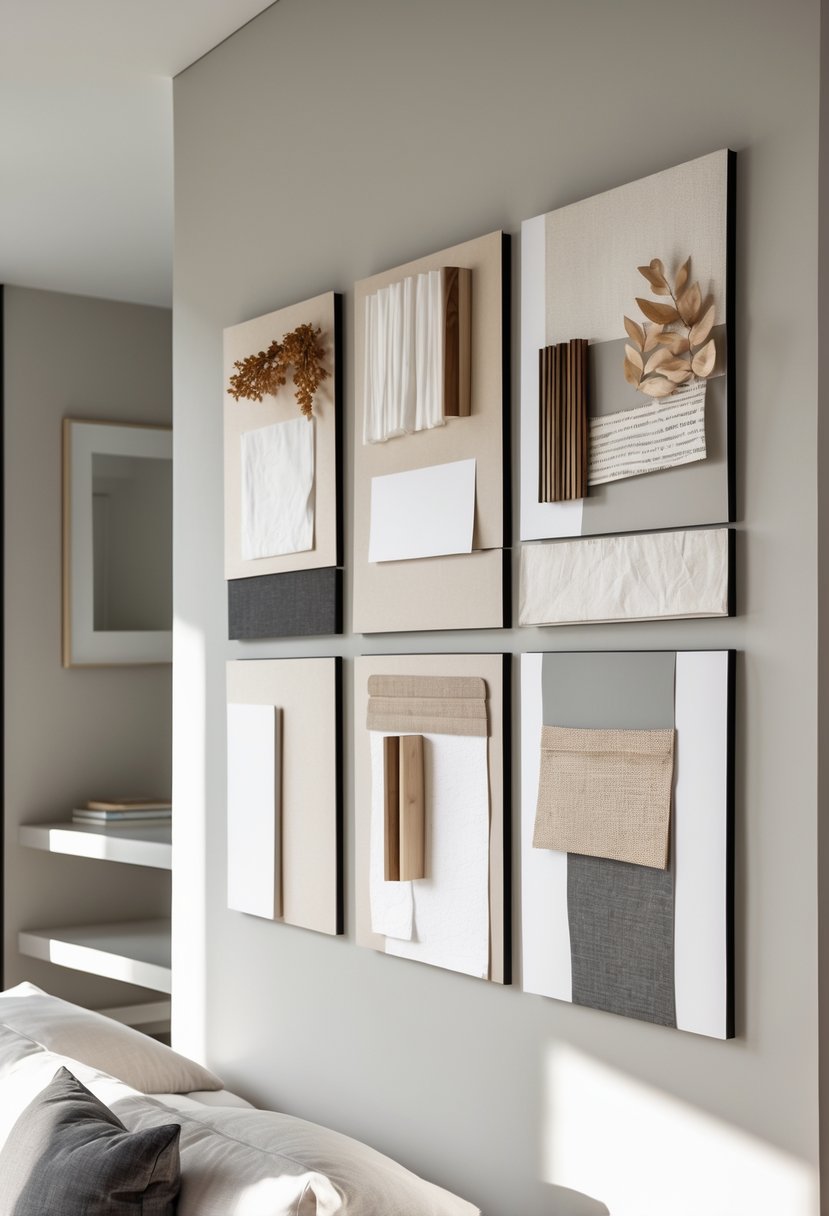
They create art by combining different materials like paper, fabric, paint, and found objects. This adds texture and depth to simple panels. It is a practical way to personalize a modern space with unique designs. The mix of elements keeps the look minimal yet interesting.
7) String Art Featuring Simple Modern Patterns
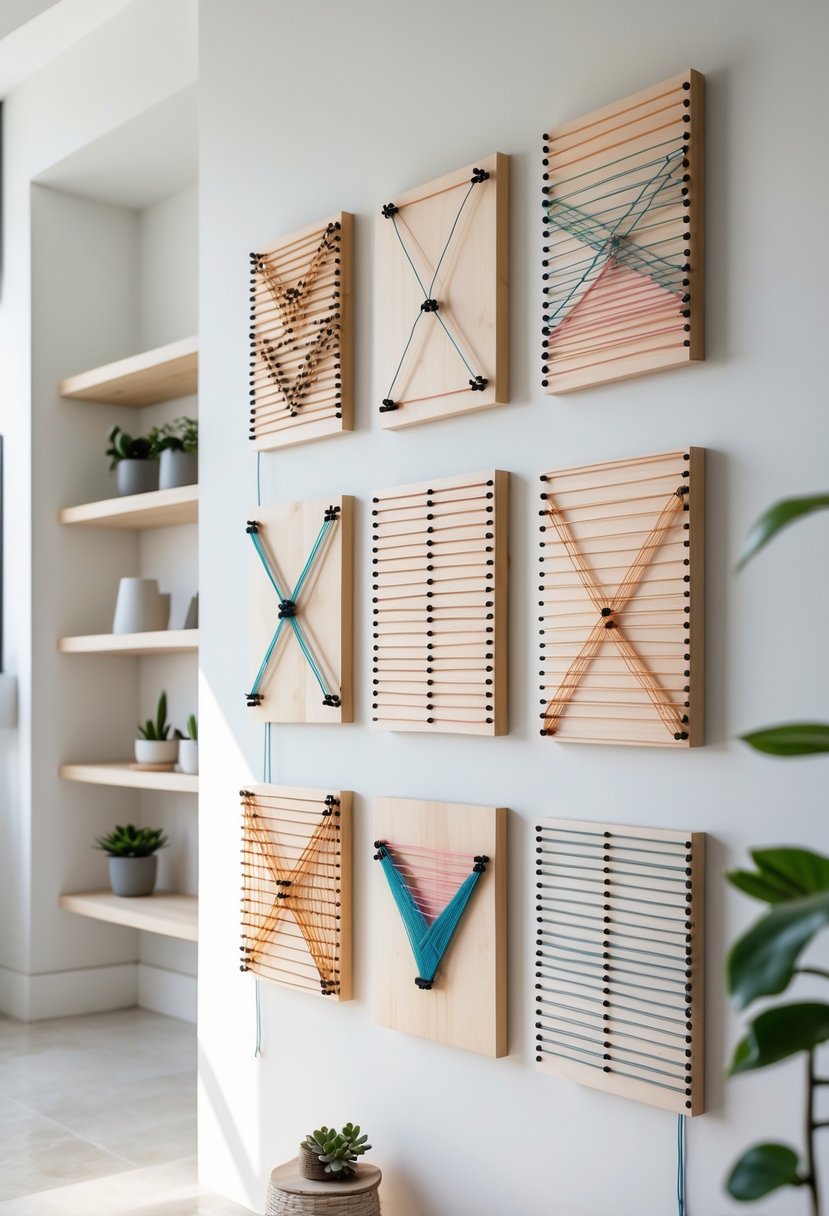
String art uses nails and thread to create clean, geometric shapes. It works well in modern homes because the designs are simple and visually striking.
Anyone can try these patterns with basic materials. They add a subtle, artistic touch to walls without cluttering the space.
Choosing the Right Materials for Minimalist Wall Art
Selecting the right materials is key to achieving a clean, modern look in minimalist wall art. The focus should be on simplicity, texture, and durability. Materials that align with these traits can elevate the design while keeping the project manageable and budget-friendly.
Sustainable Material Options
Using sustainable materials supports environmental care and adds a natural element to the art. Canvas made from organic cotton or recycled fibers offers a smooth surface and holds paint or ink well. Wood panels from reclaimed wood create texture without overwhelming the space.
Natural fibers like jute or linen fabric can be framed or stretched to add subtle texture. Paper made from recycled materials works well for prints or abstract designs. Using eco-friendly paint or low-VOC acrylics reduces toxins, fitting the minimalist value of mindfulness.
Tips for Sourcing Affordable Supplies
Affordable supplies help keep the project budget-friendly without sacrificing quality. Thrift stores and flea markets often have used frames or canvases that just need a fresh coat of paint. Discount craft stores are good sources for basic acrylic paints, brushes, and canvases.
Buying in bulk or during sales can save money on staples like tape, paper, or fabric. Repurposing items around the home—such as old picture frames or scrap wood—lowers cost and adds a unique touch. Clear labeling and organizing supplies ensure efficient use and reduce waste.
Installation and Display Tips
Choosing the right spots and pairing your DIY wall art with current decor can boost the room’s look. Paying attention to light, wall space, and color balance helps create a clean, modern style.
Optimal Placement for Visual Impact
Wall art should be placed where it catches attention without cluttering the space.
Ideal spots include above sofas, beds, or mantels where the eye naturally rests.
Keep artwork at eye level, about 57–60 inches from the floor. This gives a balanced view whether standing or sitting.
Use even lighting to avoid shadows and glare on the art. Natural light works well but avoid direct sunlight to prevent fading.
If hanging multiple pieces, space them evenly, usually 2–4 inches apart. Grouping similar sizes and colors helps keep a minimalist feel.
Mixing DIY Art With Existing Decor
DIY art should complement, not compete with, existing wall items and furniture.
Match the color palette of the art with the room’s main colors to keep coherence. Neutral tones with a pop of muted color often work well in modern homes.
Balance large DIY pieces with smaller decor items like plants or minimal shelves.
Avoid overcrowding walls by rotating art pieces seasonally or creating a dedicated feature wall.
Using simple frames or no frames at all maintains a clean look and lets the artwork shine.